The Airport Water Trap
Step through airport security and enter an alternate economic universe where a bottle of water costs more than a decent lunch outside the terminal. That same Dasani that sells for $1.25 at the corner store now commands $4.50, and somehow this feels normal because everyone around you is paying the same inflated price.
The bottled water industry has successfully convinced air travelers that staying hydrated requires opening your wallet, despite the fact that airport tap water meets the same federal standards as the water in most American homes. You're not paying for superior quality—you're paying a convenience tax in one of the most captive markets in America.
The Quality Myth That Won't Die
Ask travelers why they buy bottled water at airports, and most cite concerns about tap water quality. This perception persists despite decades of data showing that municipal water in major American cities often exceeds the quality standards required for bottled water.
The Environmental Protection Agency regulates tap water under the Safe Drinking Water Act, requiring regular testing and public reporting of contaminants. Bottled water falls under FDA jurisdiction with less stringent testing requirements and no obligation to disclose test results to consumers.
Most major airports source their water from the same municipal systems that serve the surrounding metropolitan areas. Los Angeles International Airport's water comes from the same sources as the rest of LA. Denver International Airport's taps flow with the same water that serves Denver homes. The difference isn't the source—it's the marketing.
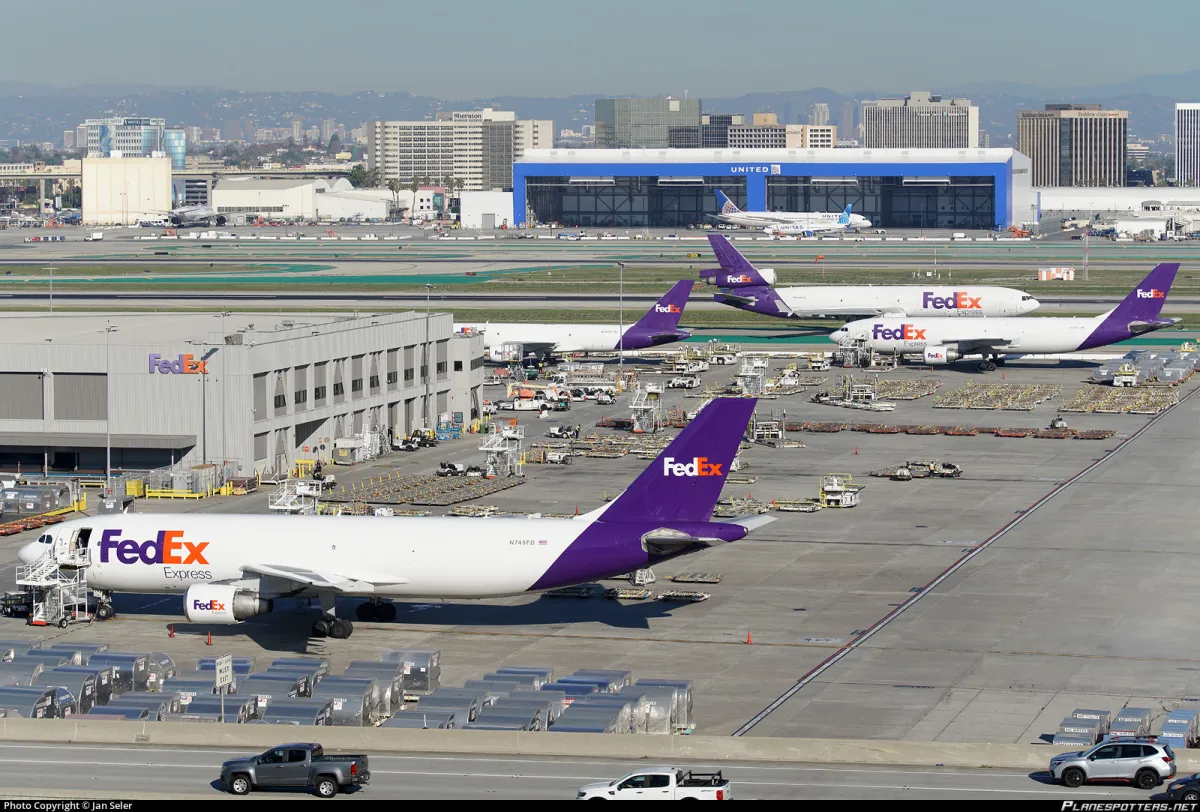 Photo: Los Angeles International Airport, via cdn.plnspttrs.net
How Bottled Water Became Essential Travel Gear
The bottled water industry spent decades associating their product with purity, convenience, and health consciousness. Marketing campaigns emphasized exotic sources, rigorous filtration, and the peace of mind that comes with a sealed container.
For air travelers, this messaging found particularly fertile ground. Flying already involves surrendering control over your environment, from cramped seating to recycled air. A bottle of water becomes a small assertion of self-care in an otherwise uncomfortable experience.
The industry also capitalized on legitimate concerns about airplane water quality. Stories about questionable water tank maintenance on aircraft created anxiety that extended to all travel-related hydration. Bottled water companies positioned their products as the safe alternative, even though most airport bottled water never gets near an airplane.
The Captive Market Premium
Airport retailers operate in what economists call a captive market—customers have limited alternatives and face significant barriers to leaving. Once you've cleared security, your hydration options are whatever vendors choose to offer at whatever prices they choose to charge.
This dynamic explains why the same bottle of water costs 300% more inside the terminal than outside. Retailers know that travelers who forgot to bring water face a choice between paying inflated prices or going thirsty. Most choose to pay.
The markup isn't just about covering higher airport rents and labor costs. It's about extracting maximum revenue from customers who have few alternatives. Airlines pioneered this approach with checked bag fees and seat assignments—airports simply applied the same logic to basic necessities.
The TSA's Accidental Business Model
The Transportation Security Administration's liquid restrictions, implemented after the 2006 transatlantic aircraft plot, inadvertently created a massive business opportunity for airport retailers. By limiting containers to 3.4 ounces, TSA effectively forced travelers to either purchase drinks after security or arrive severely under-hydrated.
 Photo: Transportation Security Administration, via cdn11.bigcommerce.com
This wasn't the intended outcome of a security measure, but it became a windfall for airport vendors. Suddenly, every traveler who wanted to stay hydrated during their journey needed to make a purchase inside the terminal. The bottled water industry found itself with millions of new customers who had no choice but to buy their product.
The Hidden Environmental Cost
American airports generate roughly 2.5 billion plastic bottles annually, most of them water containers that travelers purchase because they can't bring their own. This environmental impact stems not from consumer preference but from security policies that make reusable containers impractical.
Many airports have installed water fountains and bottle-filling stations to address this issue, but most travelers stick with bottled water out of habit or lingering quality concerns. The perception that bottled water is safer persists even when free alternatives are readily available.
What Travelers Actually Need to Know
If you're concerned about water quality while traveling, focus on the airplane, not the airport. Aircraft water systems do require more attention, though most airlines now stock bottled water for drinking and use potable water for coffee and tea.
For airport hydration, bring an empty reusable bottle through security and fill it at water fountains or filling stations. Most major airports have upgraded their water infrastructure in recent years, installing filtered filling stations that provide cold, clean water at no cost.
If you prefer the convenience of bottled water, buy it before reaching the airport or pack an empty bottle and purchase a large container to refill throughout your journey. The key is recognizing that you're paying for convenience, not superior quality.
Breaking the Bottled Water Habit
The airport water markup succeeds because it exploits traveler anxiety and the perception that bottled water is inherently safer than tap water. Understanding that you're paying a convenience tax rather than a quality premium can help break the cycle of automatic purchases.
Next time you're tempted to buy that $4 bottle of water, remember that you're not purchasing superior hydration—you're buying the convenience of not having to plan ahead. Sometimes that convenience is worth the cost, but it's worth acknowledging what you're actually paying for.