The Tipping Confusion at 30,000 Feet (Sort Of)
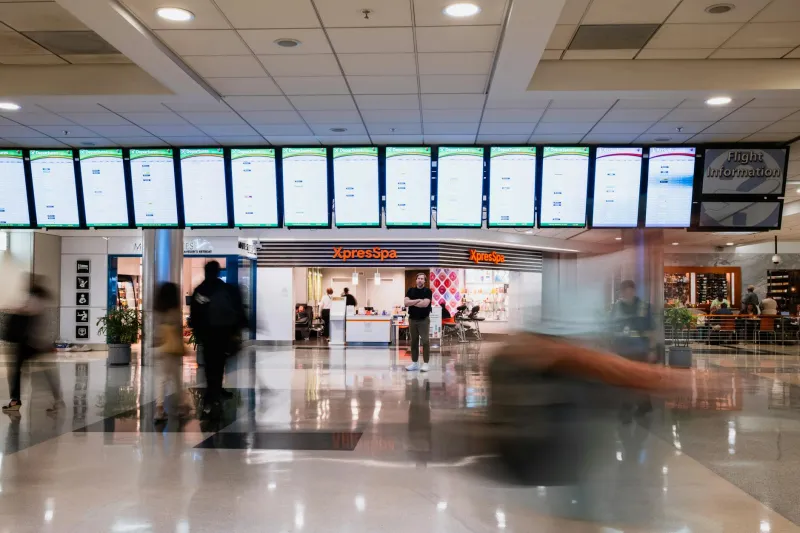
You're stuck at O'Hare with a three-hour delay, so you settle into an airport bar for overpriced drinks and mediocre food. When the check arrives, you automatically calculate 20 percent and leave what feels like a reasonable tip. But airport hospitality operates under completely different economic rules than the restaurants you're used to — and your tipping habits might be based on assumptions that don't apply past security.
Most travelers tip at airport establishments using the same mental math they'd use anywhere else, without realizing that airport workers often earn significantly different wages and work under entirely different employment structures than their street-level counterparts.
Why Airport Jobs Pay Differently
Airport food service positions typically offer higher base wages than comparable restaurant jobs. This happens for several practical reasons: airports require security clearances, background checks, and specialized training that make these jobs more selective and valuable.
Unlike traditional restaurants where servers might earn $2.13 per hour plus tips, airport workers often start at $15-20 per hour before tips. Major airport concession companies like HMSHost and Paradies compete for workers in a limited labor pool, driving wages up beyond typical hospitality industry standards.
The security clearance requirement alone makes these positions more valuable. Workers can't simply walk off the street and start tomorrow — the hiring process includes federal background checks that can take weeks or months. This creates a more stable, better-compensated workforce than most travelers realize.
The Captive Audience Economics
Airport restaurants operate with guaranteed customer traffic and significantly higher prices than comparable street-level establishments. A $18 airport burger that would cost $12 downtown isn't just about higher rent — it's about operating in an environment where customers have no alternatives.
This pricing structure means that standard percentage-based tipping can quickly become excessive. A 20 percent tip on an already inflated $50 airport meal reaches $10 — potentially more than the server would earn in tips during a comparable transaction at a regular restaurant.
The volume also matters. Airport establishments often serve far more customers per shift than typical restaurants, meaning workers accumulate tips from many more transactions during their workday.
Contract Labor Creates Different Rules
Most airport food service operates through concession contracts rather than direct employment by restaurants. Companies like Delaware North, Areas, and SSP America bid for exclusive contracts to operate specific airport locations, creating employment structures that don't exist in regular hospitality.
These contracts often include specific wage requirements, benefit packages, and tip-sharing arrangements that travelers never see. Some airport establishments pool all tips and distribute them equally among staff, meaning your individual tipping decision has less direct impact than you might expect.
Union representation is also more common in airport hospitality than in regular restaurants. Many airport food service workers belong to unions that negotiate for higher wages, better benefits, and more predictable scheduling — factors that reduce their dependence on tip income.
The Real Cost of Airport Convenience
When you pay $8 for a coffee that costs $3 downtown, you're not just paying for convenience — you're paying into a system designed to compensate for the unique challenges of airport employment. Higher prices already factor in the costs of security compliance, limited competition, and specialized workforce requirements.
This built-in premium means that standard restaurant tipping percentages can double-compensate workers for the same service. The inflated base price already includes economic adjustments that don't exist in regular restaurants.
What Airport Workers Actually Say
Conversations with airport hospitality workers reveal a more nuanced reality than most travelers expect. Many appreciate tips but don't depend on them the way traditional restaurant servers do. The combination of higher base wages, tip pooling, and high transaction volume creates income stability that doesn't exist in typical tipped positions.
Some workers report that excessive tipping from travelers who feel guilty about airport prices can create uncomfortable dynamics, especially when tips are pooled among staff who didn't directly serve those customers.
A More Thoughtful Approach
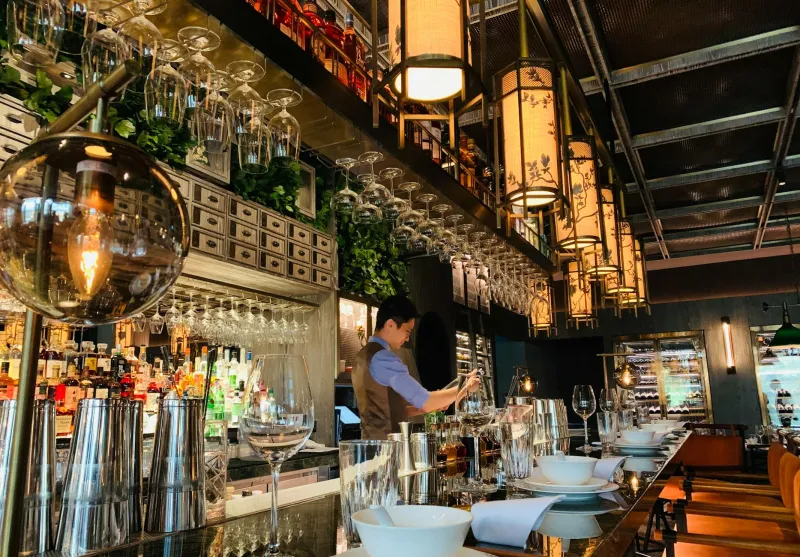
Instead of automatically applying restaurant tipping rules to airport establishments, consider the actual service and context. A bartender who serves you quickly during a busy travel day deserves recognition, but the economic pressures that drive 20 percent restaurant tipping don't necessarily apply.
For basic transactions — grabbing a pre-made sandwich or coffee — minimal tipping reflects the actual service provided. For sit-down service or complex drink orders, moderate tipping acknowledges good service without over-compensating for an economic structure you don't fully understand.
Some travelers adopt a flat-dollar approach rather than percentage-based tipping at airports. A $2-3 tip for good service reflects appreciation without getting caught up in inflated price calculations.
The Bigger Picture
Airport tipping confusion reflects broader changes in American service industry economics. As minimum wages rise and alternative employment structures emerge, traditional tipping assumptions don't always apply.
The guilt many travelers feel about airport prices often translates into over-tipping that doesn't actually address the economic realities these workers face. Understanding how airport employment actually works leads to more appropriate and thoughtful tipping decisions.
Next time you're delayed at an airport bar, tip based on the service you received and the actual economic context — not on assumptions carried over from completely different restaurant experiences.