The Great American Points Collection Obsession
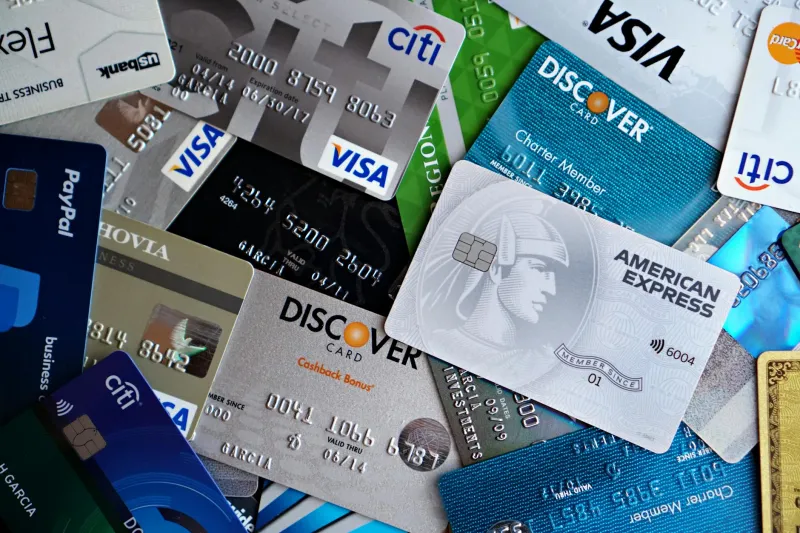
Open any American's wallet and you'll find a collection of loyalty cards promising future travel rewards. Chase Sapphire, American Express Gold, airline-branded credit cards — millions of consumers carry multiple cards specifically to maximize points earning. They track bonus categories, time purchases around promotional periods, and carefully calculate which card offers the best return for each transaction.
The promise feels straightforward: spend money on everyday purchases, accumulate points, redeem for free flights and hotel stays. It's a system that appears to reward customer loyalty while making regular expenses feel productive.
But the actual redemption experience tells a very different story.
The Redemption Reality Check
Try booking that "free" flight to Europe using accumulated airline miles, and you'll quickly discover why credit card companies love points programs. Award seats exist primarily during off-peak times when airlines struggle to fill planes anyway. Popular destinations during desirable travel periods? Those seats simply aren't available for points.
When award availability does exist, the redemption rates have quietly increased over time. A domestic round-trip flight that cost 25,000 miles five years ago now requires 30,000 or more. Meanwhile, the number of miles earned per dollar spent has remained constant or even decreased.
Hotel points face similar challenges. That "free night" certificate comes with restrictions limiting use to specific properties, blackout dates around holidays and events, and availability only in the least desirable room categories.
The Devaluation Treadmill
Loyalty programs regularly announce "enhancements" that invariably mean fewer benefits for the same number of points. Airlines justify these changes by citing increased operational costs, but the modifications always favor the house.
Delta's 2015 SkyMiles changes eliminated award charts entirely, moving to dynamic pricing that fluctuates based on cash ticket costs. What once provided predictable redemption values now varies wildly depending on demand.
Hilton doubled the points required for many hotel categories in recent years while simultaneously reducing the earning rates on their credit cards. The net effect: customers need to spend significantly more to earn the same rewards.
These devaluations typically happen gradually, making the erosion less noticeable to casual participants. But the cumulative effect is substantial.
The Expiration Trap
Points and miles come with expiration dates that create additional pressure to redeem before losing accumulated value entirely. Airlines typically require account activity every 18-24 months to prevent forfeiture, but "activity" often means earning additional miles rather than redeeming existing ones.
This system encourages continued engagement with loyalty programs while creating artificial urgency around redemptions. Customers end up booking suboptimal trips or making unnecessary purchases just to preserve their accumulated points.
Hotel programs often have similar policies, though some major chains have eliminated expiration for active members. The threat of forfeiture still influences redemption behavior even when policies become more generous.
The Cash Back Alternative
Simple cash back credit cards offer transparent, immediate value without redemption complications. A 2% cash back card provides exactly that return on every purchase, with no blackout dates, no devaluations, and no expiration concerns.
When you factor in the time spent researching optimal redemptions, monitoring program changes, and navigating booking restrictions, cash back often delivers superior value even when points theoretically offer higher returns.
The psychological appeal of "free" travel masks the opportunity cost of choosing complex rewards over straightforward cash returns.
Why Programs Favor Accumulation Over Redemption
Credit card companies pay airlines and hotels wholesale rates for purchased points while customers redeem at retail values. This spread generates profit, but only when redemption rates remain manageable.
If every customer actually redeemed their accumulated points efficiently, the economics would collapse. The programs depend on breakage — points that expire unused — and suboptimal redemptions to maintain profitability.
Marketing emphasizes earning potential while minimizing redemption complexity. Customers see advertisements highlighting maximum possible returns without understanding the practical barriers to achieving those outcomes.
The Behavioral Economics of Points
Points feel different from cash, even when they represent equivalent value. This psychological separation makes spending feel less real and redemptions feel more like "found money."
The gamification elements — status levels, bonus categories, promotional offers — create engagement that pure cash back programs can't match. Customers enjoy the complexity and optimization opportunities, even when simpler alternatives would provide better financial outcomes.
This emotional attachment to points programs often overrides rational financial analysis.
The Travel Rewards Sweet Spot
Rewards programs aren't entirely worthless, but they work best for specific customer profiles. Frequent business travelers who can absorb the time costs of optimization and have flexibility around travel dates can extract genuine value.
Casual travelers who accumulate points slowly and have limited redemption flexibility would often benefit more from cash back alternatives.
The key is honest assessment of your own travel patterns and time availability for program management.
The Bottom Line on Points Programs
Credit card rewards programs succeed brilliantly at what they're actually designed to do: encourage customer loyalty and spending while minimizing redemption costs. They're sophisticated marketing tools that create the illusion of free travel while delivering profits for financial institutions.
For most Americans, the complexity and restrictions make points programs less valuable than their marketing suggests. The "free" vacation funded by credit card points often costs more in opportunity costs and suboptimal choices than paying cash would have.
Before signing up for another rewards card, calculate what simple cash back would provide over the same time period. You might discover that the straightforward option delivers better value with none of the headaches.