Eight Glasses a Day? The Surprisingly Shaky Science Behind America's Most Repeated Health Rule
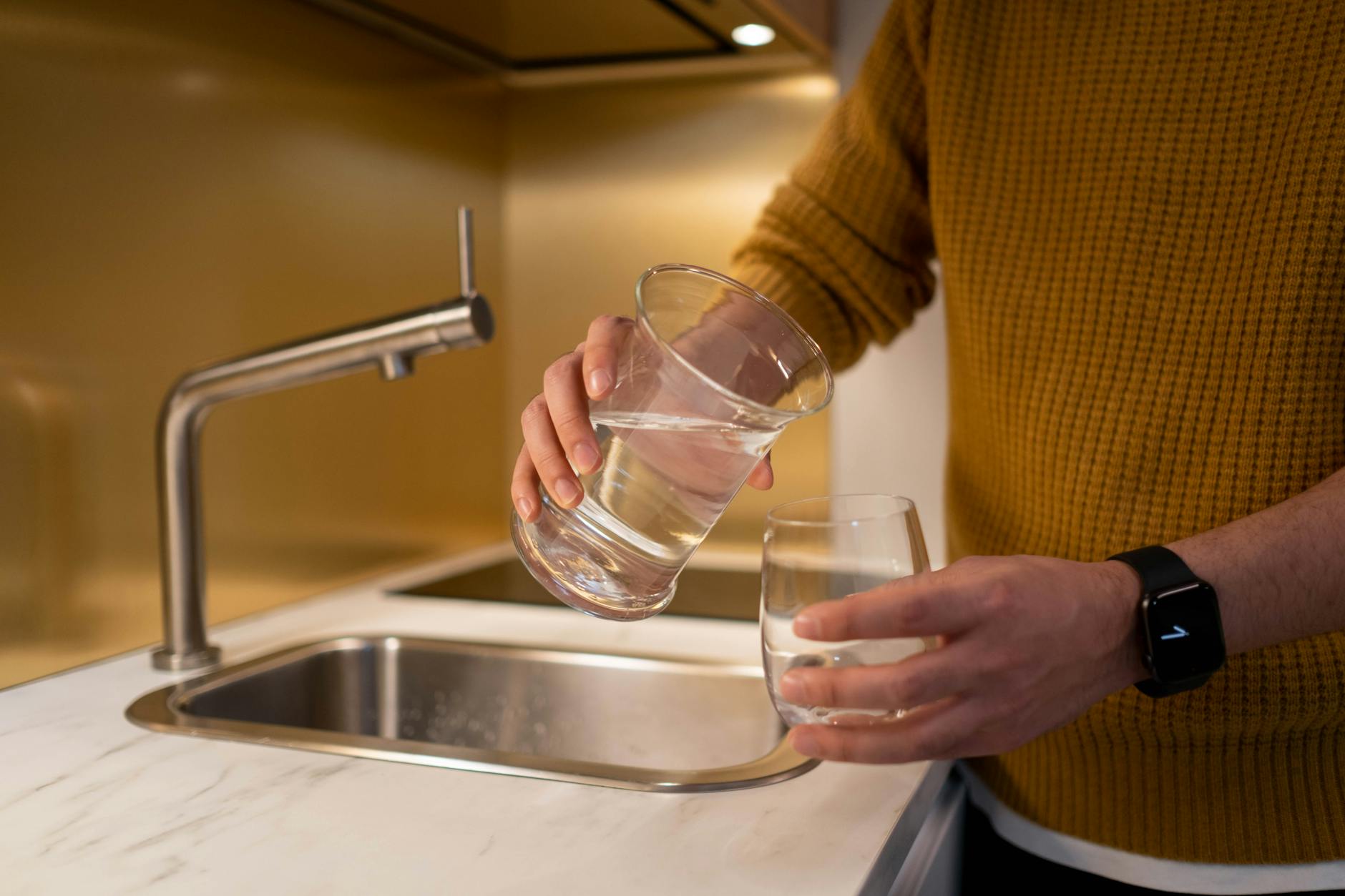
Eight Glasses a Day? The Surprisingly Shaky Science Behind America's Most Repeated Health Rule
Ask almost any American how much water they should drink, and you'll get the same answer within seconds: eight glasses a day. It's the kind of advice that gets passed down like a family recipe — confidently, repeatedly, and without anyone ever stopping to ask where it came from in the first place.
Here's the thing: nobody really knows.
The "8x8 rule" — eight eight-ounce glasses per day — is one of the most widely repeated health guidelines in the country, and it has almost no solid scientific foundation backing it up. That's not a fringe opinion. It's the conclusion of a fairly well-known 2002 review published in the American Journal of Physiology, in which Dr. Heinz Valtin spent considerable time searching for the original source of the recommendation and came up mostly empty-handed.
So Where Did the Number Actually Come From?
The closest thing to an origin story traces back to a 1945 recommendation from the U.S. Food and Nutrition Board, which suggested that people consume about 2.5 liters of water per day. That sounds alarming until you read the very next sentence — which most people never did. The document noted that "most of this quantity is contained in prepared foods."
In other words, the original guidance was already accounting for the water in your coffee, your soup, your fruit, and your pasta. Someone, somewhere along the way, dropped that second sentence and kept only the number. A guideline with important context became a stripped-down rule, and that rule got repeated often enough that it started to feel like established medical fact.
By the time it filtered through decades of wellness culture, magazine columns, and well-meaning gym teachers, the eight-glasses figure had taken on the authority of something proven — even though it was never really tested that way to begin with.
What Hydration Research Actually Shows
Modern science paints a more nuanced picture, and honestly, a more reassuring one.
Research consistently shows that the human body is remarkably good at regulating its own fluid balance. The mechanism responsible for this is something you experience every single day without thinking about it: thirst. When your body needs water, it tells you. That signal is calibrated and responsive — it kicks in well before you're actually in any danger of dehydration.
For most healthy adults in normal conditions, drinking when you're thirsty is sufficient. That's not a loophole or a shortcut. It's how human physiology is designed to work.
Hydration needs also vary significantly from person to person based on body size, activity level, climate, diet, and overall health. A 130-pound woman working a desk job in Minnesota in January has very different fluid needs than a 200-pound construction worker in Phoenix in August. A single universal number was never going to capture that range accurately.
The National Academies of Sciences currently suggests a general daily intake of about 3.7 liters for men and 2.7 liters for women — but that figure includes all beverages and the water content in food. It's also described as an adequate intake, not a rigid daily target.
Why the Myth Stuck Around
A few things kept the eight-glasses rule alive long after it should have been questioned more seriously.
First, it's simple. Health advice that fits on a sticky note tends to travel well. Eight glasses is easy to remember, easy to repeat, and easy to turn into a product — water bottles with measurement markers, hydration apps, wellness challenges. There's an entire industry that benefits from people believing they're chronically under-hydrated.
Second, mild dehydration is real and genuinely does affect concentration and energy levels. That's true. But the leap from "dehydration is bad" to "everyone needs exactly eight glasses regardless of context" is a significant one, and it happened largely without scrutiny.
Third, the advice sounds responsible. Telling someone to drink more water feels like good guidance — it's not going to hurt most people, and it's easy for doctors and wellness writers to pass along without much risk. That low-stakes quality helped it survive long past its expiration date.
What You Should Actually Do
None of this means hydration doesn't matter — it absolutely does. It just means you probably don't need to be as anxious about counting ounces as the rule implies.
A few practical things that actually hold up under scrutiny:
- Thirst is a reliable signal for most healthy adults. If you're thirsty, drink. If you're not, you're likely fine.
- Urine color is a decent informal check. Pale yellow generally indicates good hydration. Dark yellow or amber is a nudge to drink more.
- Your needs genuinely change day to day. Hot weather, exercise, illness, and alcohol all increase your body's fluid requirements. Pay attention to context.
- Food counts. Fruits, vegetables, soups, and even coffee contribute to your daily fluid intake. You're not starting from zero every morning.
The Takeaway
The eight-glasses rule isn't dangerous advice, but it was never the scientific mandate it was made out to be. It started as a rough estimate with missing context, got simplified over time, and eventually became gospel through repetition rather than research.
Your body has been tracking its own hydration needs for your entire life, and it's been doing a pretty solid job. The real story here isn't alarming — it's actually kind of freeing. You don't need an app to tell you when to drink water. You just need to pay attention to what your body is already telling you.