Summer Is the Most Expensive Time to See Europe — And Most Americans Go Anyway
Summer Is the Most Expensive Time to See Europe — And Most Americans Go Anyway
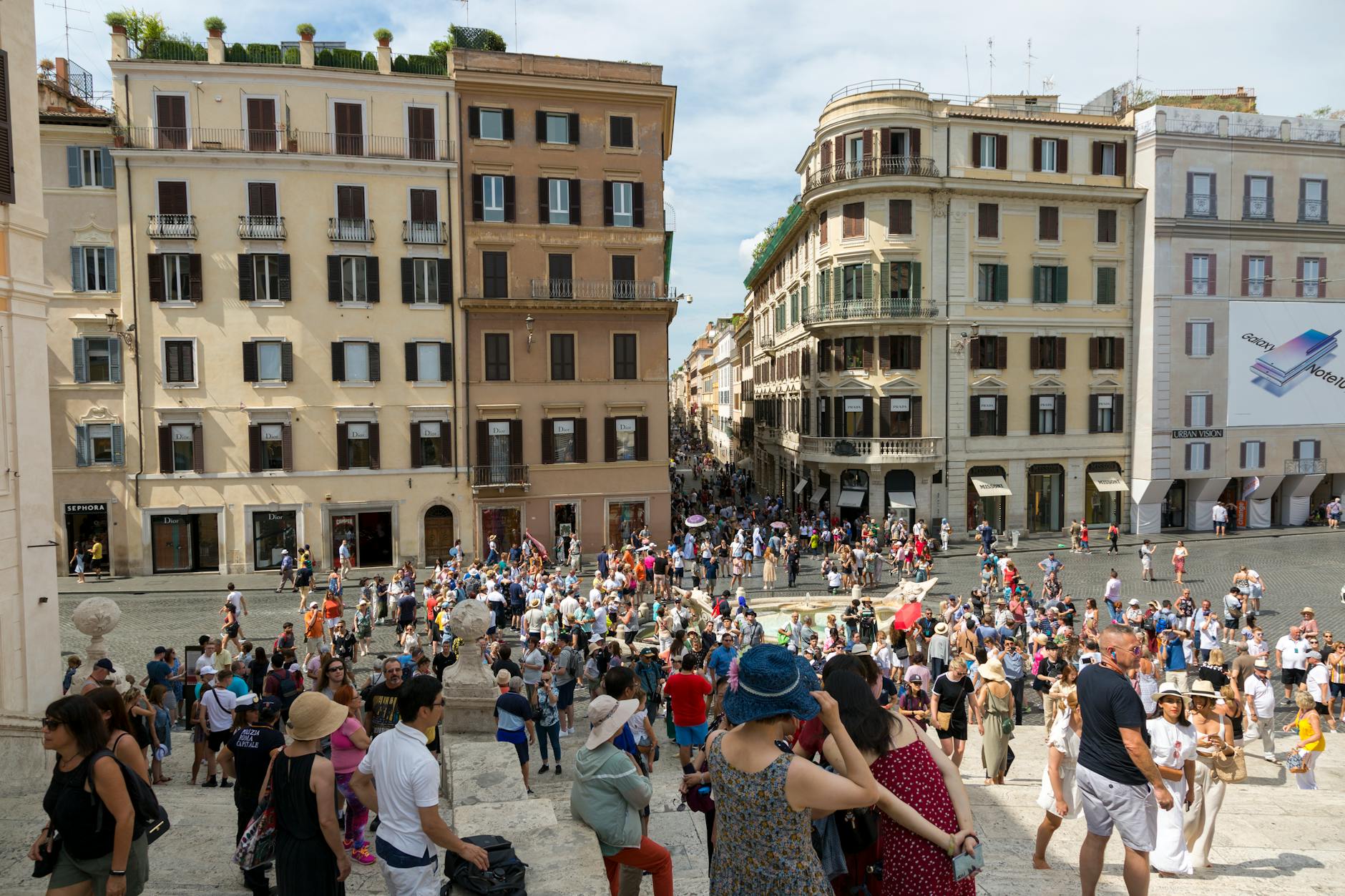
Every year, roughly the same thing happens. School lets out, vacation days get approved, and a significant portion of the American traveling public books flights to London, Paris, Rome, and Barcelona — all at the same time, all paying the highest prices of the year, all arriving to find that every other tourist on earth had the exact same idea.
The summer Europe trip is practically a cultural institution in the US. And like a lot of institutions, it persists largely because people have never stopped to examine whether it actually makes sense.
The Price of Going When Everyone Else Goes
Let's start with the most concrete part of the equation: what peak-season travel to Europe actually costs compared to other times of year.
Roundtrip flights from major US hubs to cities like Paris, Rome, or Amsterdam during June through August routinely run between $900 and $1,400 per person in economy class, sometimes significantly higher from smaller markets. That same route in late October, November, or early March often falls in the $450 to $750 range — a difference that can easily represent $400 to $600 per person before you've booked a single hotel night.
Accommodations follow a similar pattern. A three-star hotel in central Rome that costs around $150 per night in November can climb to $280 or $300 during peak summer weeks. In high-demand cities like Santorini, Amalfi, or Dubrovnik, the seasonal gap is even more dramatic. A week-long trip for two people to a popular Southern European destination can cost $1,500 to $2,500 more in summer than it would in shoulder season — without any meaningful upgrade in the actual experience.
For families traveling with multiple people, those numbers compound quickly.
What You're Actually Buying With That Premium
The implicit assumption behind paying peak-season prices is that you're getting something better in return. The weather is warmer. The days are longer. The destination is more alive.
Some of that is true. European summers do offer extended daylight, outdoor dining culture at its peak, and a general festive energy that can be genuinely enjoyable. But the trade-offs are significant and rarely factored into the decision.
The Colosseum in Rome receives around 20,000 visitors per day during peak summer months. The Louvre in Paris sees similar numbers. The streets of Venice in July are so densely crowded that the city has experimented with entry fees and capacity controls just to manage foot traffic. The "authentic experience" that most travelers say they're chasing — local neighborhoods, unhurried meals, genuine interaction with the place — is precisely what the summer crowds make hardest to find.
Then there's the heat. Large parts of Southern and Central Europe now regularly experience temperatures above 95°F in July and August, with heat waves pushing well past 100°F in cities like Seville, Athens, and Rome. Air conditioning is far less common in European hotels, restaurants, and public transportation than American travelers expect. Spending a day on your feet in Florence when it's 98 degrees outside is a different experience than the sun-drenched Instagram version most people picture when they plan the trip.
When the Math Actually Works in Your Favor
Travel industry professionals have been pointing to shoulder season — roughly April through early June and September through October — as the sweet spot for European travel for years. The reasons are consistent and well-documented, even if they haven't fully filtered into mainstream American travel planning.
Spring and early fall deliver temperatures that are genuinely comfortable for sightseeing — typically in the 60s and 70s across most of Western and Southern Europe. Crowds at major attractions are noticeably thinner. Restaurant reservations are easier to secure. The locals who fled their own cities in August have returned, and the places that cater to them — neighborhood trattorias, local markets, quieter museums — are actually open and operating normally.
October in Portugal, for example, offers mild weather, dramatically reduced hotel rates, and a version of Lisbon that feels far closer to the city itself than the summer tourist corridor. April in the Netherlands puts you in the middle of tulip season with a fraction of the July crowds. Late September in the south of France captures the tail end of warm weather while avoiding the August mass exodus that locals call "le grand départ."
The School Calendar Problem — And How People Work Around It
The most honest counterargument to all of this is simple: American families are constrained by school calendars. Summer isn't always a preference — it's often the only window available.
That's a real limitation, and it applies to a large segment of US travelers. But it's worth noting that the assumption is sometimes more fixed than the reality. Many school districts now offer fall breaks in October. Spring break windows exist. And for travelers without school-age children — which includes a significant portion of the 20–50 age range that makes up the core American travel market — the summer default is largely a cultural habit rather than a logistical necessity.
For those who genuinely are constrained to summer, the practical adjustment isn't to skip Europe but to be more deliberate about where and how you go. Second-tier cities — Porto instead of Lisbon, Bologna instead of Florence, Ghent instead of Bruges — offer comparable charm at a fraction of the crowd density and cost. Booking accommodations and major attractions months in advance, traveling at the edges of the peak window rather than the center, and prioritizing morning visits to major sites can meaningfully change the experience even within the summer season.
The Takeaway
Summer travel to Europe isn't a mistake. But treating it as the obvious default — without examining the real cost premium and the experience trade-offs that come with it — means making a significant financial decision based on cultural habit rather than actual information.
The most enjoyable European trips many travelers describe aren't the ones taken in the middle of July with the crowds and the heat and the inflated hotel bills. They're the ones taken in October when the light is golden, the lines are short, and the price of the flight left enough in the budget to actually enjoy being there.