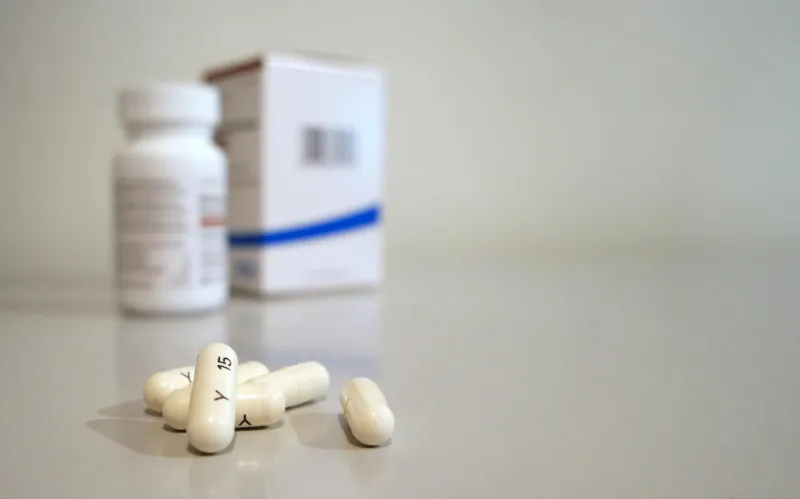
Walk into any American bathroom and you'll find the same scene: a medicine cabinet stuffed with half-empty prescription bottles, over-the-counter pain relievers, and that antibiotic from two years ago that nobody finished. Most of us perform the same ritual every few months — checking dates, wincing at the waste, and dutifully throwing everything 'expired' into the trash.
We've been trained to believe that the moment a medication hits its printed expiration date, it transforms from helpful to harmful overnight. It's a belief so deeply embedded in American healthcare culture that questioning it feels almost reckless.
But here's what pharmaceutical companies don't advertise: those expiration dates have very little to do with when your medicine actually stops working.
The Military Discovered Something Expensive
In the 1980s, the U.S. military faced an expensive problem. Their massive stockpiles of medications were reaching expiration dates, forcing them to dispose of millions of dollars worth of drugs and replace them with fresh supplies. Instead of accepting this costly cycle, they commissioned the Food and Drug Administration to test whether 'expired' medications were actually expired.
The results were startling. The FDA's Shelf Life Extension Program found that 88% of tested medications remained fully potent for an average of 66 months past their printed expiration dates. Some drugs maintained their effectiveness for over 15 years beyond the date that would have sent them to civilian garbage cans.
This wasn't a small-scale study with a handful of aspirin tablets. The military tested over 3,000 lots of 122 different drug products, including prescription medications, over-the-counter drugs, and everything in between.
Why Your Pharmacist Never Mentions This
Pharmaceutical expiration dates aren't safety warnings — they're business decisions wrapped in regulatory language. When a drug company applies for FDA approval, they're required to prove their medication remains stable and effective for a specific period. Most companies test for two or three years because that's sufficient for regulatory approval and creates a predictable replacement cycle.
Extending those studies costs money and delays getting products to market. More importantly for pharmaceutical companies, longer expiration dates mean customers replace medications less frequently. There's no business incentive to prove a drug works for a decade when consumers will reliably buy new supplies every few years.
The FDA requires expiration dates, but they don't require companies to find the actual endpoint of a drug's effectiveness. Most expiration dates represent the last point at which a company bothered to test, not the moment the medication stops working.
The Real Exceptions You Should Know
This doesn't mean every medication in your cabinet is fair game forever. Some drugs genuinely become less effective or potentially harmful over time, and these are the ones worth remembering.
Insulin loses potency relatively quickly, especially if not stored properly. EpiPens and other emergency medications containing epinephrine degrade in ways that could be life-threatening when you need them most. Liquid medications, particularly antibiotics mixed with water, have much shorter real-world lifespans than their printed dates suggest.
Tetracycline, an older antibiotic, can actually become toxic as it degrades, though most antibiotics simply become less effective rather than dangerous. Nitroglycerin tablets, used for heart conditions, lose their potency quickly and unpredictably.
What This Means for Your Medicine Cabinet
The most expensive healthcare myth in America might be sitting in your bathroom right now. Americans dispose of an estimated $5 billion worth of unused medications annually, much of it based on arbitrary expiration dates rather than actual effectiveness.
This waste extends beyond individual wallets. Hospitals and pharmacies follow the same expiration date rules, creating massive disposal costs that ultimately get passed to patients through higher healthcare prices.
For most common medications — pain relievers, allergy medicines, blood pressure medications, and many others — the expiration date represents a conservative estimate rather than a safety deadline. These drugs typically retain their effectiveness well beyond their printed dates when stored properly in cool, dry places.
The Storage Reality Check
Here's where most people get tripped up: that bathroom medicine cabinet is probably the worst place to store medications. Heat and humidity from showers degrade drugs faster than almost anything else. The same medication that might remain effective for years in a bedroom drawer could lose potency quickly in a steamy bathroom.
Proper storage — cool, dry, and dark — extends medication effectiveness far beyond what most Americans experience. That expensive prescription that 'expired' after sitting next to your shower might have lasted years longer in a bedroom closet.
The Takeaway Nobody Wants to Give You
Pharmacists can't legally recommend using expired medications, and doctors won't either. The liability risks are too high, and the guidance too complicated for blanket recommendations. But the scientific evidence suggests that most Americans are throwing away perfectly good medicine based on dates that were never meant to indicate safety.
The next time you're staring at that bottle of pain relievers from last year, remember: the expiration date was chosen by accountants and lawyers, not by scientists studying when the medicine actually stops working. The real expiration date is probably much further away than anyone is allowed to tell you.