The Postcard Isn't the Place: What Famous Landmarks Actually Look Like When You Get There
The Postcard Isn't the Place: What Famous Landmarks Actually Look Like When You Get There
At some point in the planning of almost every major vacation, someone pulls up a photo. The Eiffel Tower glowing against a violet Paris sky. The Trevi Fountain spilling into a peaceful piazza. The Grand Canyon stretching out in impossible stillness, no other human being visible for miles in any direction.
These images do their job extremely well. They create desire. They sell flights and hotel rooms and guided tours. They become the mental blueprint for a trip you spend months anticipating.
And then you actually get there.
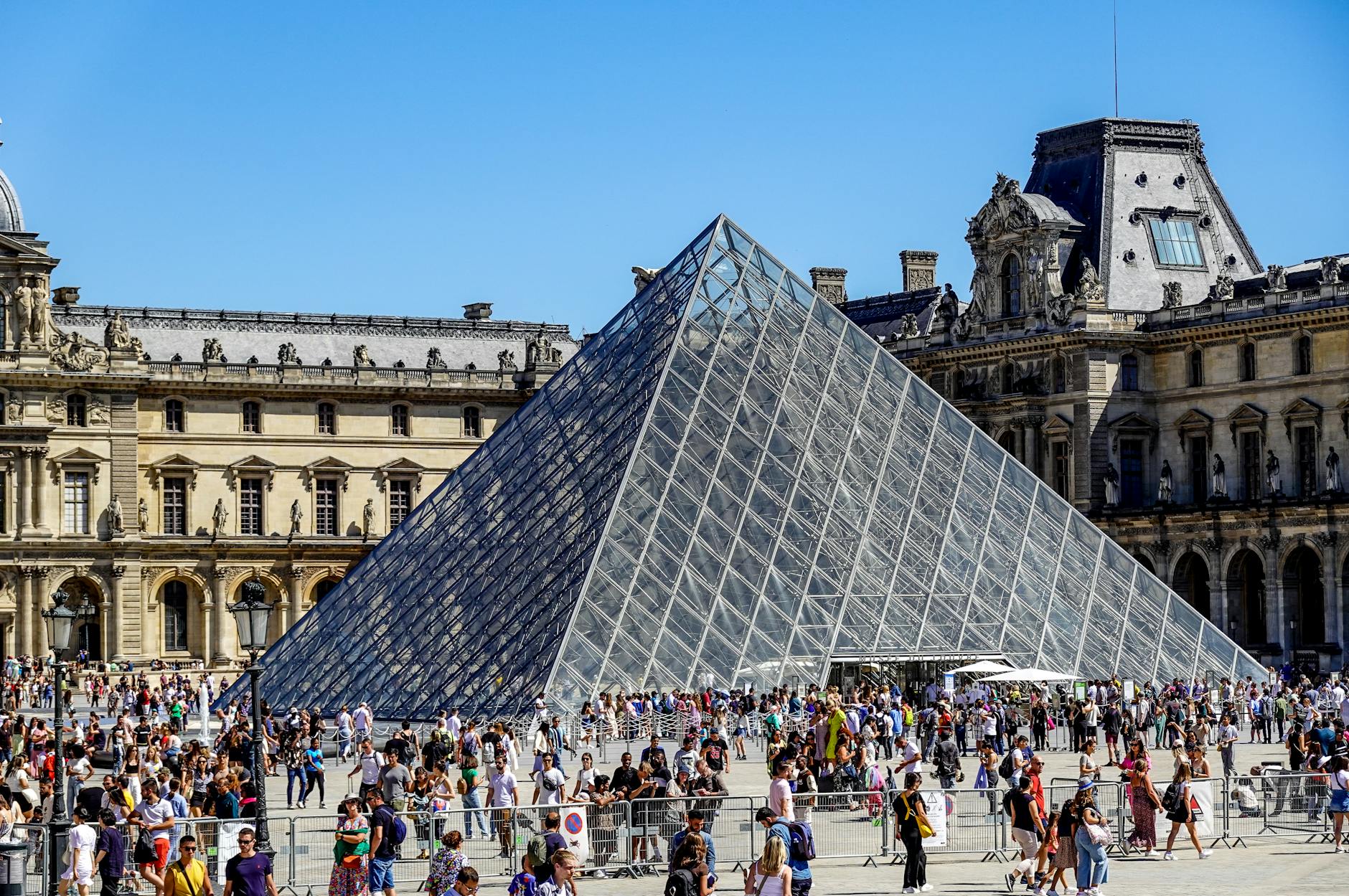
The fountain is surrounded by a dense, shoulder-to-shoulder crowd. The canyon overlook has a gift shop attached to it. The famous tower is smaller than you imagined, and there's a line of food vendors blocking the angle you were picturing. The experience is real and often genuinely wonderful — but it looks almost nothing like the photograph that sent you there.
This gap between expectation and reality is not an accident. It's the product of deliberate image-making, and once you understand how it works, you'll never look at a travel photo quite the same way.
The Mechanics of the Perfect Shot
Travel photography at the professional level is a highly controlled craft. The images you see in tourism campaigns, on destination websites, and splashed across Instagram are typically the result of very specific decisions that have nothing to do with what an average visitor experiences.
Timing is probably the biggest factor. The "golden hour" — the roughly sixty minutes after sunrise or before sunset — produces the warm, diffused light that makes nearly any location look cinematic. Professional travel photographers often arrive at a site before dawn and wait. The Trevi Fountain photographed at 5:30 a.m. on a Tuesday in November is a fundamentally different visual experience than the Trevi Fountain at 2 p.m. on a Saturday in July, which is when most American tourists actually show up.
Seasonality matters just as much. Cherry blossoms in Kyoto, tulip fields in the Netherlands, the Lavender Route in Provence — these images represent a window of a few days to a few weeks each year. The rest of the time, the scenery looks considerably more ordinary. But the photos taken during peak bloom are the ones that circulate endlessly, quietly suggesting that this is simply what the place looks like.
Then there's the question of what gets left out of the frame. Careful cropping can remove parking lots, power lines, tourist crowds, construction scaffolding, and souvenir stands from almost any shot. A wide-angle lens positioned close to a subject can make a modest structure look monumental. A telephoto lens used from a distance can compress space in ways that make a crowded scene look sparse and serene.
None of this is deceptive in any illegal sense. But it is selective in ways that matter enormously to the person planning a trip around those images.
The Crowd Problem Nobody Mentions in the Brochure
Of all the differences between the travel photo and the travel experience, crowds are probably the most jarring — and the least discussed in pre-trip research.
The Louvre's Mona Lisa, to use a particularly famous example, is a relatively small painting displayed behind protective glass at one end of a large gallery. Visitors who arrive expecting an intimate encounter with a masterpiece typically find themselves at the back of a dense, phone-raised crowd, straining for a glimpse of something smaller than they imagined. The experience is not bad, exactly — there's something genuinely strange and interesting about watching hundreds of people simultaneously photograph a painting — but it is almost nothing like the solitary, contemplative moment that travel imagery implies.
The same dynamic plays out at Machu Picchu, where visitor numbers have had to be actively capped due to site degradation. At Antelope Canyon in Arizona, tours are guided and timed, and the famous light beams photographed there require specific midday conditions that most visitors don't encounter. At Horseshoe Bend — just down the road — the overlook that appears desolate in photos now draws millions of visitors annually, with a paved path and a parking fee to match.
These aren't complaints. They're just the reality of what it means for a place to be genuinely famous.
Why the Real Thing Is Often Better Anyway
Here's where the story takes a turn that the cynical version of this conversation usually skips.
The unfiltered version of a famous place is frequently more interesting than the postcard.
The crowds at the Trevi Fountain mean you're standing in the middle of one of the great informal gathering spots in Europe — people from dozens of countries, all drawn to the same place by the same shared cultural memory. That's actually remarkable if you let it be. The gift shop at the Grand Canyon South Rim is annoying, yes, but walk fifteen minutes in either direction and you'll find overlooks with views that are every bit as staggering and a fraction of the foot traffic.
The gap between expectation and reality creates something that pure visual beauty can't: surprise. When a place is different from what you imagined, you're forced to actually look at it rather than just confirm it against your mental image. That's often when travel gets genuinely interesting.
Some of the most memorable experiences at famous destinations happen precisely because the expected photo opportunity fell apart. The Eiffel Tower disappears into fog and suddenly feels mysterious rather than monumental. A rainstorm empties the Spanish Steps and you have them almost to yourself for twenty minutes. The light at the canyon is wrong for photographs but perfect for just standing there.
What to Do With This Before Your Next Trip
A few things that actually help:
Research the real visiting conditions, not just the destination. Look for recent visitor reviews and travel forum posts, not official tourism photography. Find out what the crowds are actually like, what the practical access looks like, and what time of year and day produces the experience you're hoping for.
Adjust the expectation, not the destination. Most famous landmarks are famous for real reasons. The Eiffel Tower is, genuinely, an extraordinary structure. The Grand Canyon is, genuinely, one of the most arresting landscapes on the planet. The photos haven't lied about what's there — they've just edited out everything around it.
Give yourself permission to skip the iconic angle. The most photographed spot at any landmark is usually the most crowded one. Walking a little further, arriving a little earlier, or simply turning around to see what everyone else has their back to often produces something more personal — and more yours.
The Takeaway
Travel photography is a form of storytelling, and like all storytelling, it makes choices about what to include and what to leave out. The images that inspire trips are real in the sense that the places exist and can look that way under the right conditions — but those conditions are specific, carefully selected, and often have little to do with a typical visit.
Knowing that doesn't make the destination less worth visiting. It just means you can arrive with open eyes instead of a mental checklist, ready for the version of the place that's actually there rather than the one someone else decided to show you.