The Marketing Magic Behind Hotel Gyms
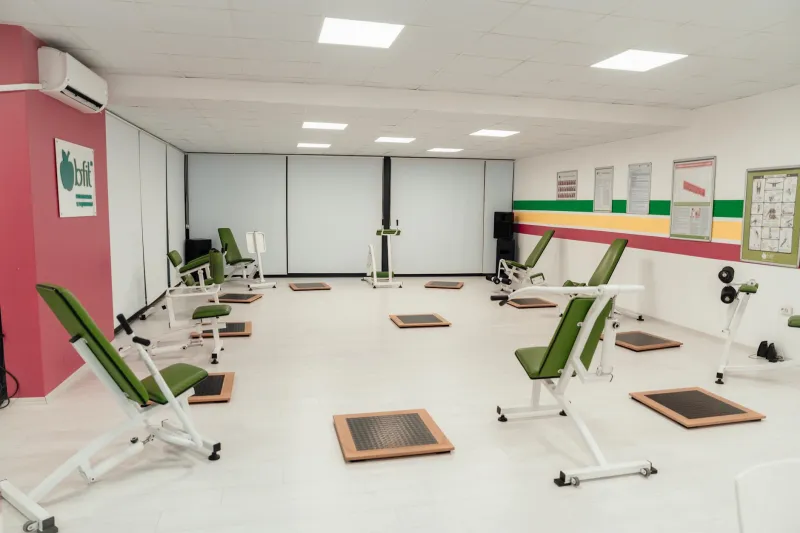
Every hotel booking site tells the same story: gleaming fitness centers with state-of-the-art equipment, natural lighting streaming through expansive windows, and enough space for a serious workout. The photos show pristine facilities that wouldn't look out of place in an upscale health club.
Then you arrive at your hotel, swipe your room key at the fitness center door, and discover the truth. You're looking at a repurposed storage room with fluorescent lighting, three cardio machines from the Bush era, and a weight selection that maxes out at what most people warm up with.
Why Hotels Bother With Gyms Nobody Uses
Hotel fitness centers exist because travelers expect them to exist, not because anyone actually uses them regularly. Industry surveys consistently show that fewer than 15% of hotel guests ever set foot in the fitness facility during their stay. Yet nearly 80% of business travelers say a fitness center influences their booking decision.
This creates a bizarre situation where hotels feel obligated to check the "fitness center" box without investing meaningfully in the experience. The result is facilities that look impressive enough in carefully staged photos but fall apart under real-world scrutiny.
Most hotel gyms operate on what industry insiders call the "minimum viable amenity" principle. Hotels spend just enough to claim they have a fitness center while spending as little as possible on equipment that will rarely be used. A basic setup with a few cardio machines and some free weights can cost as little as $15,000 to install—pocket change compared to renovating a guest room.
The Equipment Time Warp
Walk into most hotel fitness centers and you'll find yourself in a technology museum. Treadmills with control panels that look like they belong in a 1990s arcade. Elliptical machines with wobbly handles and displays that flicker ominously. Weight machines that require an engineering degree to adjust.
The reason is simple economics. Hotels replace fitness equipment about as often as they replace their ice machines—which is to say, almost never unless something breaks completely. A treadmill in a commercial gym might see 8-10 hours of daily use and get replaced every 3-4 years. A hotel treadmill might see 8-10 hours of use per month and stay in service for a decade.
The Space Problem
Hotel real estate is precious, and fitness centers typically get whatever leftover space isn't profitable as guest rooms or meeting facilities. That stunning gym in the booking photos? It might actually be a composite image showing the hotel's conference room with fitness equipment digitally inserted.
The average hotel fitness center is roughly 400 square feet—about the size of a large hotel room. Try fitting meaningful workout equipment into that space while maintaining safe clearances around machines, and you quickly understand why most hotel gyms feel like equipment storage areas with a few square feet of walking space.
What Serious Travelers Actually Do
Smart travelers who prioritize fitness have largely given up on hotel gyms and developed alternative strategies. Many carry resistance bands and do bodyweight workouts in their rooms. Others research nearby gyms that offer day passes—often for less than the cost of a single airport meal.
Some hotel chains have recognized this reality and partnered with national fitness franchises to provide guests with access to real gyms. Others have invested seriously in their fitness facilities, treating them as genuine amenities rather than marketing checkboxes.
The Real Cost of Fake Amenities
The hotel industry's approach to fitness centers reveals a broader truth about travel marketing: amenities exist primarily to influence booking decisions, not to enhance the actual guest experience. Hotels know that most travelers will never use the gym, so they optimize for photos rather than functionality.
This creates a cycle where travelers expect amenities they'll never use, hotels provide amenities they don't maintain, and everyone pretends this makes sense. The fitness center becomes a shared fiction—hotels claim to offer it, guests claim to want it, and nobody acknowledges that it's mostly theater.
Finding a Real Workout on the Road
If you're serious about maintaining a fitness routine while traveling, treat hotel gyms as a pleasant surprise rather than a reliable resource. Research local gyms that offer day passes, many of which cost $10-20 and provide access to facilities that put most hotel gyms to shame.
Alternatively, embrace bodyweight workouts and portable equipment. A resistance band set weighs less than a pair of shoes and provides more workout options than most hotel fitness centers.
The next time you see a gorgeous hotel gym in a booking photo, remember that you're looking at marketing magic, not a promise of what awaits you. The real workout might be the walk to find a decent gym in the neighborhood.