Why State Department Travel Warnings Don't Tell the Whole Truth About Where You're Going
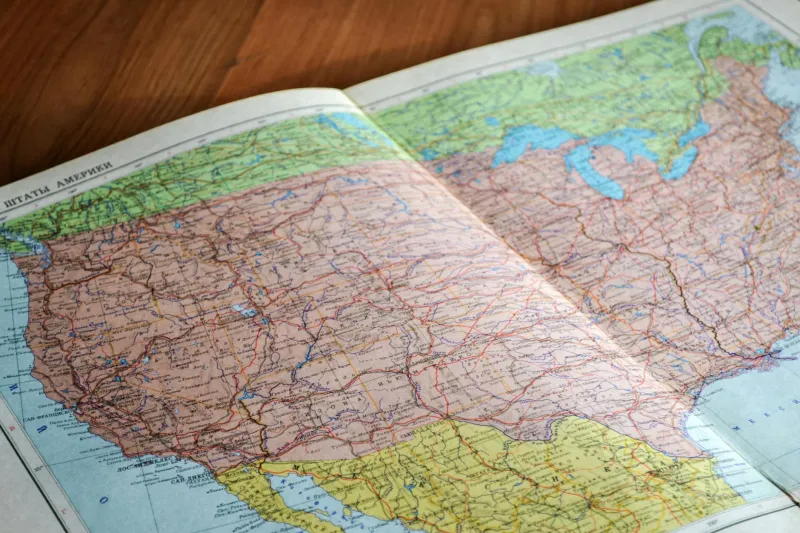
The Authority We Trust Without Question
Before booking that European vacation or business trip to Southeast Asia, millions of Americans instinctively check the State Department's travel advisory system. The four-level warning structure—Exercise Normal Precautions, Exercise Increased Caution, Reconsider Travel, and Do Not Travel—feels like an official government safety rating that cuts through uncertainty with clear, objective guidance.
That assumption makes perfect sense. After all, who would know more about international safety conditions than the U.S. government, with its global network of embassies, intelligence services, and diplomatic personnel?
But travel advisories aren't the neutral safety assessments most Americans imagine them to be.
How Advisory Levels Actually Get Assigned
The State Department's Bureau of Consular Affairs officially determines travel advisory levels based on "security, safety, health, and other factors." That phrase "other factors" carries more weight than most travelers realize.
Advisory decisions emerge from a complex process involving multiple government agencies, including the CIA, FBI, Department of Defense, and various diplomatic bureaus. While genuine safety concerns certainly influence these assessments, they're not the only consideration—or sometimes even the primary one.
The process weighs current diplomatic relationships, ongoing trade negotiations, military partnerships, and broader foreign policy objectives alongside actual security conditions. A country experiencing civil unrest might receive a lower advisory level if maintaining positive diplomatic relations serves broader American interests.
When Safe Countries Get Dangerous Ratings
Consider some puzzling examples from recent advisory history. Iceland—a country with virtually no violent crime and excellent infrastructure—has occasionally carried higher advisory levels than nations experiencing active conflict zones, simply due to natural disaster risks or temporary diplomatic tensions.
Meanwhile, countries hosting significant U.S. military bases or serving as key trade partners often maintain surprisingly low advisory levels despite documented security challenges. The ratings sometimes say more about America's strategic interests than about actual danger to tourists.
South Korea provides a telling case study. Despite being technically at war with North Korea and experiencing periodic missile tests and border incidents, it typically maintains a Level 1 (Exercise Normal Precautions) rating. Compare this to countries with far less dramatic security situations that carry Level 2 or 3 warnings.
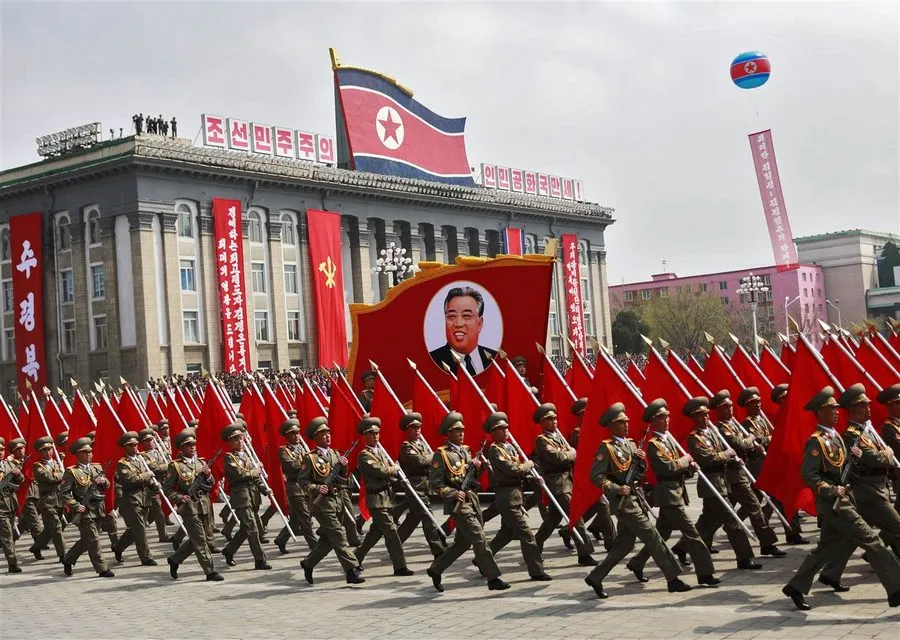 Photo: North Korea, via brucegerencser.net
 Photo: South Korea, via www.thoughtco.com
The Politics Behind the Warnings
Travel advisories serve multiple purposes beyond tourist safety. They function as diplomatic tools, sending subtle messages to foreign governments about American approval or disapproval of their policies. Raising or lowering an advisory level can reward or punish countries without formal diplomatic action.
They also provide legal and political cover for the U.S. government. If American citizens encounter problems abroad, officials can point to published warnings as evidence that travelers were adequately informed of risks. This shifts responsibility from government protection to individual decision-making.
During trade disputes or diplomatic tensions, advisory levels sometimes fluctuate in ways that correlate more closely with political relationships than security conditions. Countries that cooperate with American foreign policy objectives tend to receive more favorable ratings than those pursuing independent or opposing policies.
What Gets Left Out of the Picture
Travel advisories focus heavily on threats that concern government officials—terrorism, kidnapping, civil unrest, and crime targeting Americans. But they often downplay or ignore risks that affect travelers more commonly: traffic accidents, medical emergencies, natural disasters, or simple tourist scams.
A country might receive a low advisory rating despite having terrible road safety records, unreliable medical care, or widespread petty crime, simply because these issues don't threaten American strategic interests or create diplomatic incidents.
Conversely, nations with excellent tourist infrastructure and low crime rates might carry elevated warnings due to abstract terrorism threats or political instability that rarely affects visitors in practical terms.
The Information That's Actually Missing
Most travel advisories provide broad regional assessments that obscure significant variation within countries. A warning about "civil unrest" might apply to one specific province while leaving travelers uncertain about conditions in major tourist areas hundreds of miles away.
The advisories also rarely acknowledge how risks vary dramatically based on travel style, purpose, and demographics. Business travelers staying in international hotels face different security profiles than backpackers, adventure tourists, or journalists, but advisories typically apply blanket assessments.
Timing represents another blind spot. Advisory levels change slowly, often lagging behind rapidly evolving security conditions. A country might maintain an elevated warning for months after conditions improve, or conversely, maintain normal ratings despite emerging threats.
Reading Between the Lines
Smart travelers learn to decode advisory language and look beyond the headline ratings. Phrases like "heightened tensions" or "increased security measures" often signal diplomatic rather than tourist-related concerns. Warnings about "anti-American sentiment" sometimes reflect policy disputes rather than actual hostility toward individual Americans.
The most useful information often appears in the detailed text rather than the overall rating. Specific mentions of tourist area security, transportation risks, or medical facility quality provide more practical guidance than broad political assessments.
Comparing State Department advisories with warnings from other countries—particularly Canada, Australia, or the UK—often reveals interesting discrepancies that highlight the political components of these assessments.
Building a More Complete Picture
Travel advisories work best as one piece of a larger information puzzle rather than definitive safety judgments. Combining official warnings with current news reports, travel forums, tourism industry assessments, and local embassy updates provides a more nuanced understanding of actual conditions.
Many experienced travelers also consult advisories from multiple countries, recognizing that different governments emphasize different risks based on their own political priorities and diplomatic relationships.
The Bottom Line on Official Warnings
State Department travel advisories contain valuable information and genuine safety insights. But they're not the neutral, objective assessments most Americans assume them to be. Understanding how diplomatic considerations shape these warnings helps travelers make more informed decisions about where to go and what precautions to take.
The goal isn't to ignore official guidance, but to recognize its limitations and supplement it with additional research. After all, the safest travel decisions come from understanding not just what the government wants you to know, but what it might not be telling you.