The Guilt Trip at the Counter: How Tipping in America Stopped Being About Service
The Guilt Trip at the Counter: How Tipping in America Stopped Being About Service
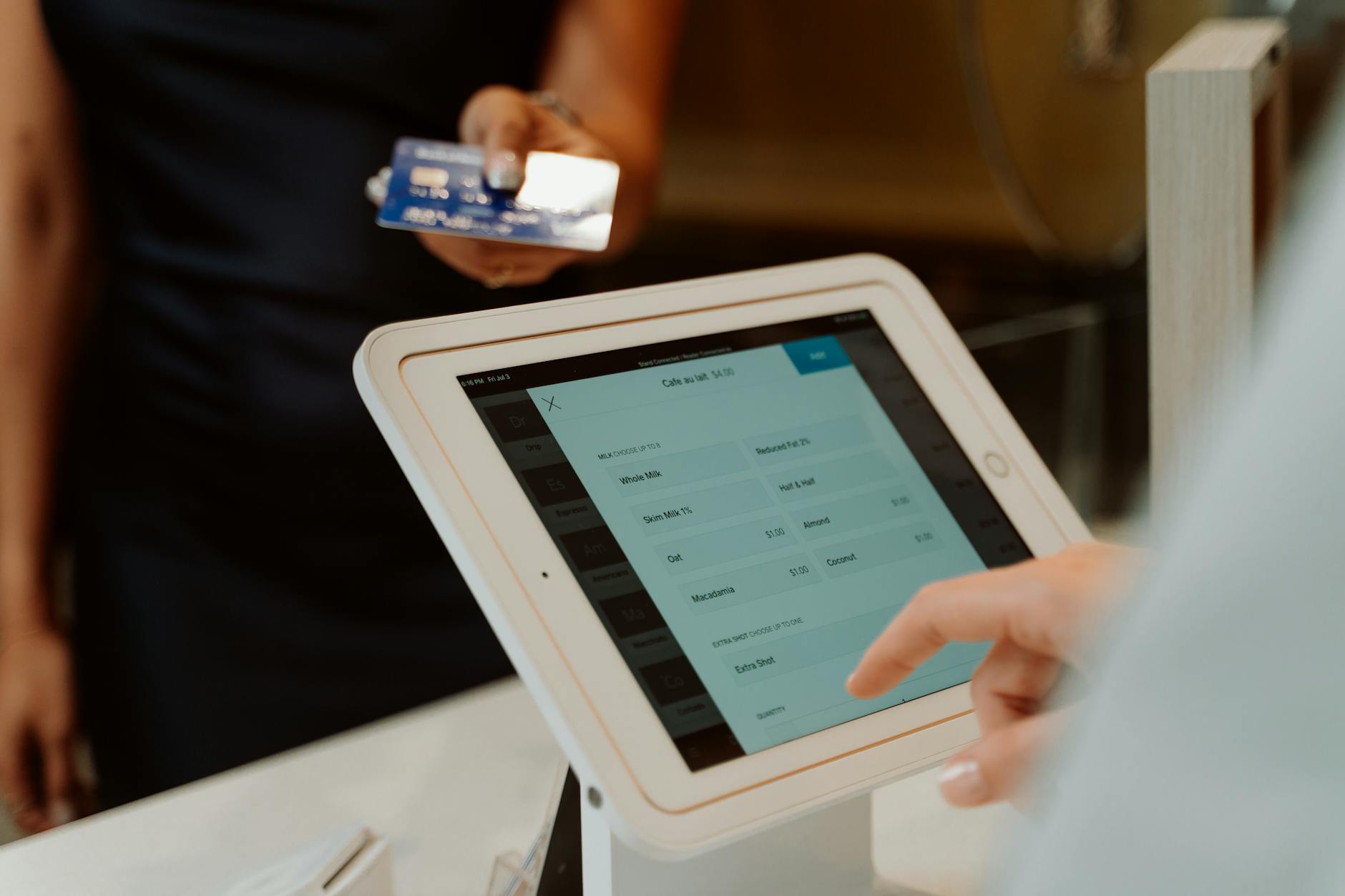
You order a drip coffee. You wait forty-five seconds while someone pushes a button on a machine. Then the tablet rotates toward you, and there it is — a tip screen offering 18%, 20%, or 25%, with a small "No Tip" option sitting at the bottom like a quiet accusation.
If you've felt confused, a little guilty, or mildly resentful in that moment, you're not alone. And if you've ever wondered how we got here — how tipping transformed from a restaurant courtesy into a near-universal social obligation — the answer involves labor economics, post-Civil War politics, and some very effective pressure from the restaurant industry.
None of it has much to do with rewarding great service.
Tipping Wasn't Always American
This might surprise you: when tipping first arrived in the United States in the late 1800s, a lot of Americans hated it.
The practice came over from Europe, where it had been a way for wealthy patrons to signal status by slipping coins to servants. When it began appearing in American restaurants and hotels, it was widely criticized as antidemocratic — a throwback to a class system that the country had supposedly rejected. In 1904, a group called the Anti-Tipping Society of America was formed, and at its peak claimed around 100,000 members. Several states actually passed laws banning the practice in the early 1900s.
So what happened? The tipping ban laws were eventually repealed, the Anti-Tipping Society faded, and the practice quietly became standard. The shift wasn't accidental.
The Wage Loophole That Changed Everything
Here's the part of the story that most people have never heard.
After the Civil War, tipping became especially common in industries that employed formerly enslaved Black workers — particularly railroads and restaurants. Employers in those sectors quickly realized that if customers were expected to tip, they could justify paying workers very little or nothing at all in base wages. The tip wasn't a bonus on top of a fair wage. It became a substitute for one.
This arrangement got baked into federal law. When Congress passed the Fair Labor Standards Act in 1938, it established a minimum wage — but it also created a lower "tipped minimum wage" for workers who regularly received gratuities. Employers were allowed to count customer tips toward meeting the standard minimum, a concept known as a "tip credit."
Today, the federal tipped minimum wage sits at $2.13 an hour — a number that hasn't changed since 1991. In most states, if a worker's tips don't bring them up to the standard minimum wage, the employer is legally required to make up the difference. In practice, that gap often goes unaddressed, and enforcement is inconsistent.
The system, in other words, was never designed to reward good service. It was designed to let certain employers shift part of their labor costs directly onto customers.
How the Guilt Spread Beyond Restaurants
For most of the twentieth century, tipping was largely confined to sit-down restaurants, taxis, and hotel staff — situations where someone was providing a sustained, personal service. The social expectation was narrow and relatively well-understood.
That changed with technology.
The rise of point-of-sale tablet systems in the 2010s — Square, Toast, Clover, and others — made it trivially easy for any business to add a tip prompt to checkout. Coffee shops, bakeries, food trucks, self-serve frozen yogurt counters, and airport kiosks all began presenting tip screens to customers who had never previously been expected to tip in those settings.
This wasn't driven by some cultural shift in generosity. It was driven by software defaults and the economics of small business ownership. Adding a tip option costs nothing and generates additional revenue. The awkwardness of declining on a screen pointed directly at the cashier is a feature, not a bug — it creates social pressure that increases tip rates.
A 2023 Pew Research survey found that a majority of Americans feel tipping has expanded to too many situations, and a significant share report feeling obligated to tip even when they don't feel the service warrants it. The confusion and resentment are widespread. They're also, at this point, kind of built into the system.
Why It's So Hard to Change
The honest answer is that tipping has become load-bearing infrastructure for the restaurant industry in particular. Eliminating it — or even scaling it back significantly — would require raising menu prices substantially to cover actual living wages for servers. Some restaurants have tried this, with mixed results. Customers often balk at higher prices even when they're told tips are included, because the math of a $22 entrée feels different from a $16 entrée with a tip added at the end, even when the total is identical.
There's also the server side of the equation. In high-volume, upscale restaurants, experienced servers can earn well above minimum wage through tips alone. Many prefer the current system. Changing it would redistribute income in ways that aren't straightforward.
The Takeaway
Tipping in America was never purely about gratitude for good service — that framing came later, layered on top of a practice that was originally about labor economics and, in some cases, outright wage suppression. The tip screen at your coffee counter isn't a natural extension of a generous tradition. It's a recent invention made possible by cheap software and the same underlying logic that's driven tipping from the beginning: getting customers to cover costs that employers would otherwise have to absorb.
None of this means you should stop tipping servers who depend on it. But understanding where the system came from makes the guilt a little easier to put in context — and makes the whole thing feel a lot less like a personal moral failing when you tap "No Tip" on your way out of a self-serve smoothie place.