The Tip You Leave Isn't a Reward — It's Filling a Gap the Law Created
The Tip You Leave Isn't a Reward — It's Filling a Gap the Law Created
You finish your meal, the check arrives, and almost automatically you do the math. Fifteen percent feels a little low. Twenty feels right. Maybe twenty-five if the service was genuinely great. You've done this hundreds of times without ever stopping to ask: why is this your responsibility in the first place?
The answer is more complicated — and more political — than most people realize.
The Assumption Everyone Carries to the Table
The common understanding of tipping goes something like this: restaurants pay their staff a base wage, and customers add a little extra on top as a personal thank-you for good service. It feels optional. It feels like a choice. And because it's framed that way, most diners treat it as a direct signal — tip more for attentive service, tip less when things go wrong.
But that framing skips over a foundational piece of how the American restaurant industry actually works. In most states, servers are not earning the same federal minimum wage as other workers. They're earning something else entirely.
A Two-Tier Wage System Most People Don't Know Exists
Under federal law, employers are allowed to pay tipped workers a base wage of just $2.13 per hour — a number that hasn't changed since 1991. The legal logic is that tips from customers will make up the difference and bring total hourly earnings up to at least the federal minimum wage of $7.25. If they don't, employers are technically required to cover the gap. In practice, enforcement is inconsistent, and many workers fall through the cracks.
That $2.13 figure isn't a quirk or an oversight. It's the result of decades of lobbying, largely driven by the National Restaurant Association — an industry group that has successfully resisted minimum wage increases for tipped workers for over thirty years.
So when you leave a tip, you're not adding a bonus on top of a fair wage. In most of the country, you're completing the wage itself.
Where This System Actually Came From
Tipping in America has a history that most people would find uncomfortable if they knew it. The practice arrived from Europe in the mid-1800s, initially among wealthy travelers who brought the custom back as a way of signaling social class. It was controversial from the start — labor advocates at the time called it demeaning, arguing that it created a culture of dependence on the goodwill of strangers.
After the Civil War, the railroad and restaurant industries found a very specific use for the tipping model. These sectors employed large numbers of Black workers — Pullman porters, dining car waitstaff — and used tipping as a justification to pay them little or nothing in base wages. The assumption was that tips would cover their income, which conveniently allowed employers to externalize labor costs onto passengers and diners.
That structure became embedded in American labor law over the following decades, and it never really left.
How 20% Became the Unspoken Rule
For most of the twentieth century, 15% was the widely accepted standard for restaurant tipping. So how did 20% become the new baseline — and why does it keep creeping upward?
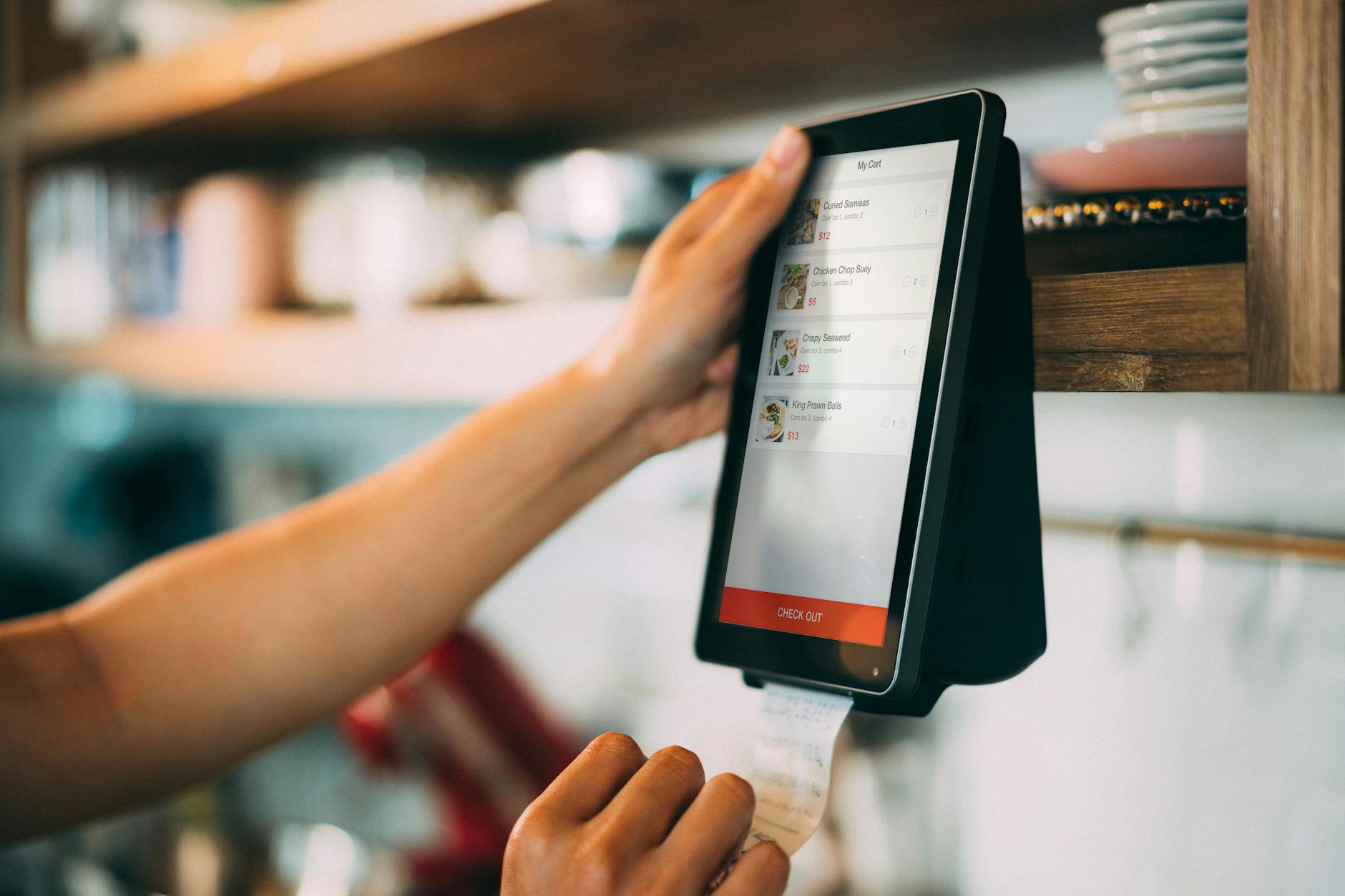
A few forces are at work. Inflation has steadily eroded the purchasing power of tips without any adjustment to the base wage system. Digital point-of-sale systems now prompt customers with pre-selected tip amounts — often starting at 18%, 20%, or 25% — which nudges people toward higher figures without much deliberation. And as tipping has expanded into coffee shops, food counters, and delivery apps, the cultural pressure has intensified even as the nature of the service has changed.
The result is a system where customers absorb more of the labor cost every few years, while the underlying wage structure stays frozen.
Why the Debate Gets Complicated
It would be easy to conclude that tipping is simply broken and should be abolished. Some restaurants have tried exactly that — introducing no-tip policies with higher menu prices and higher base wages. The results have been mixed. Some servers prefer the current system because, in busy restaurants, tips can significantly exceed what a flat wage would provide. Others, particularly in slower establishments or in states with lower tip minimums, end up earning far less than the public assumes.
Seven states — including California, Washington, and Minnesota — have eliminated the tipped minimum wage entirely, requiring all workers to earn the standard minimum wage before tips. Research from those states suggests that restaurant employment didn't collapse the way industry groups predicted, and that workers generally fared better.
But in the remaining states, the two-tier system persists, and diners remain the unofficial payroll department.
What to Actually Take Away From This
None of this means you should stop tipping — in the current system, doing so would directly hurt the workers who depend on it most. But it does mean the habit deserves more thought than it usually gets.
The tip you leave at the end of a meal isn't a performance review. It's closer to a wage contribution inside a labor system that was deliberately designed to shift that responsibility from employers to customers. Understanding that doesn't make dining out less enjoyable. It just makes the full picture a little harder to ignore.