The Rule That Isn't Actually a Rule
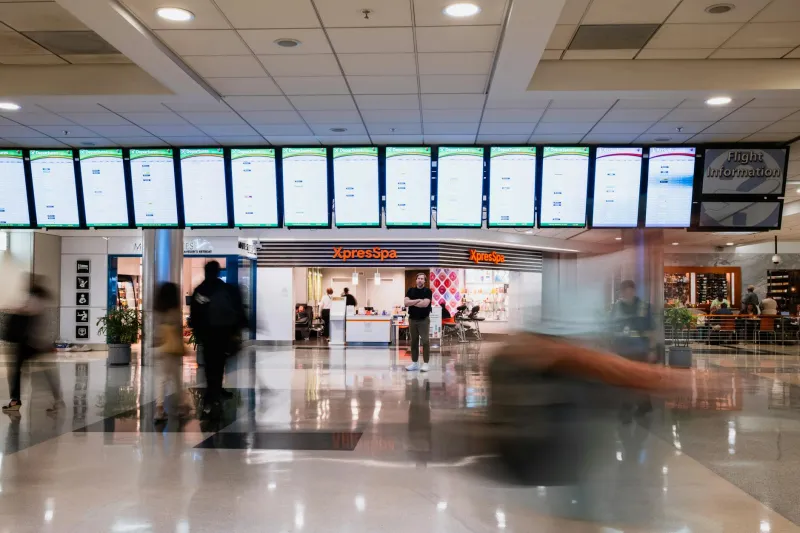
Ask any American traveler about airport arrival times, and you'll hear the same advice: arrive two hours early for domestic flights, three hours for international. This guidance is repeated so universally—by travel websites, airline customer service, and experienced travelers—that most people assume it's an official requirement.
It's not. No federal agency mandates these arrival times. No airline requires them. The Transportation Security Administration suggests allowing "extra time" but provides no specific timeframes. The two-hour rule emerged organically from post-9/11 anxiety and hardened into travel gospel through repetition, not regulation.
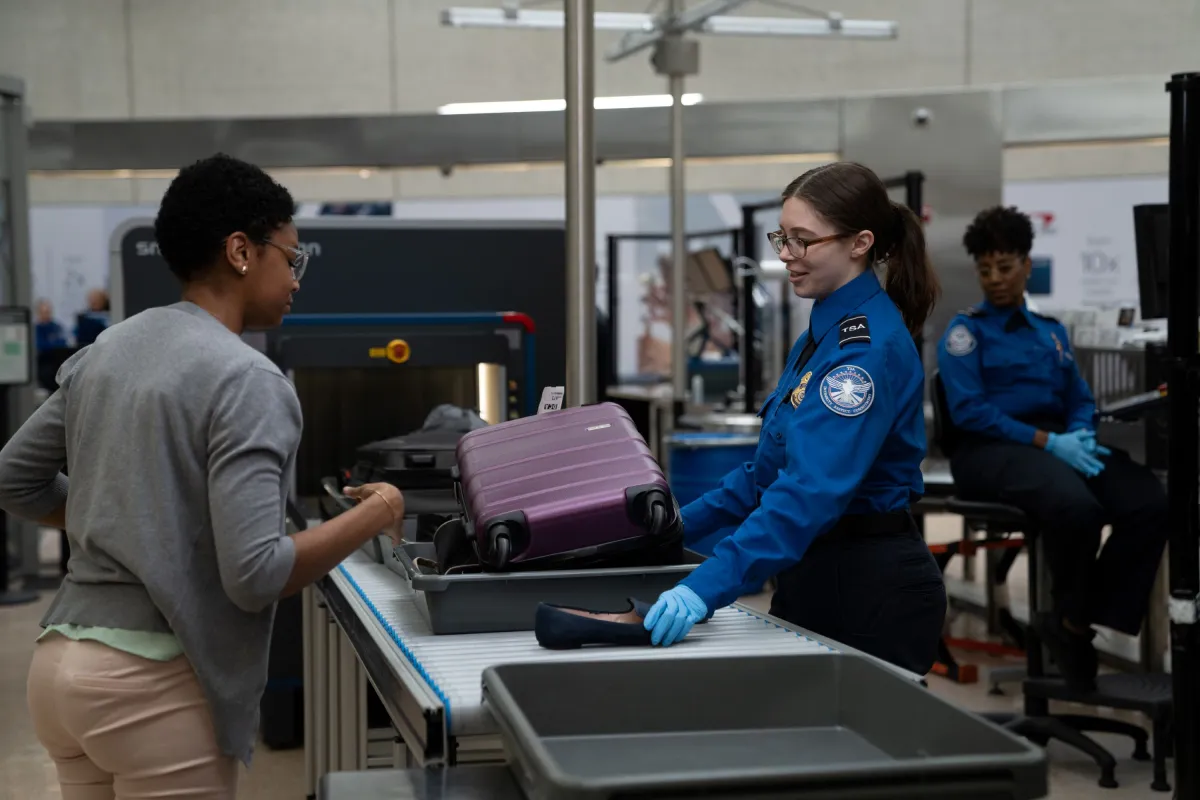 Photo: Transportation Security Administration, via jobs.tsa.gov
How September 11th Changed Everything
Before 2001, arriving 30-45 minutes before a domestic flight was standard practice. Airport security involved walking through a metal detector, and the biggest delay was usually finding parking. The concept of arriving hours early would have seemed absurd to travelers accustomed to treating airports like bus stations.
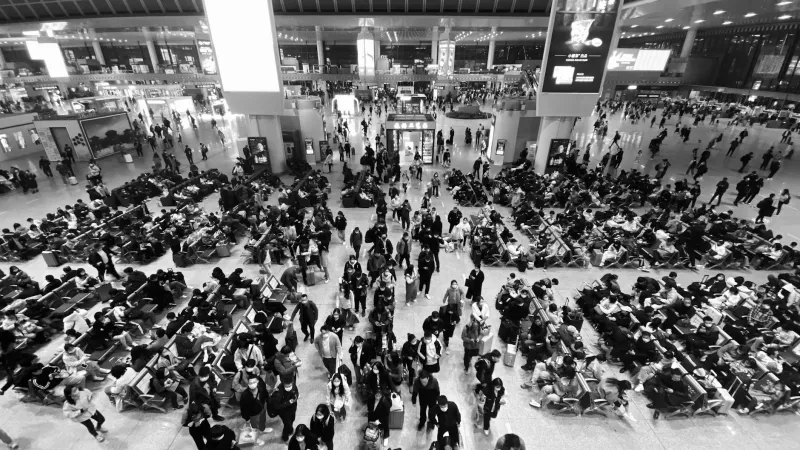
The September 11 attacks transformed air travel overnight. New security procedures created unpredictable delays, and nobody knew how long anything would take. In this environment of uncertainty, airlines and travel experts began recommending generous arrival buffers to avoid missed flights.
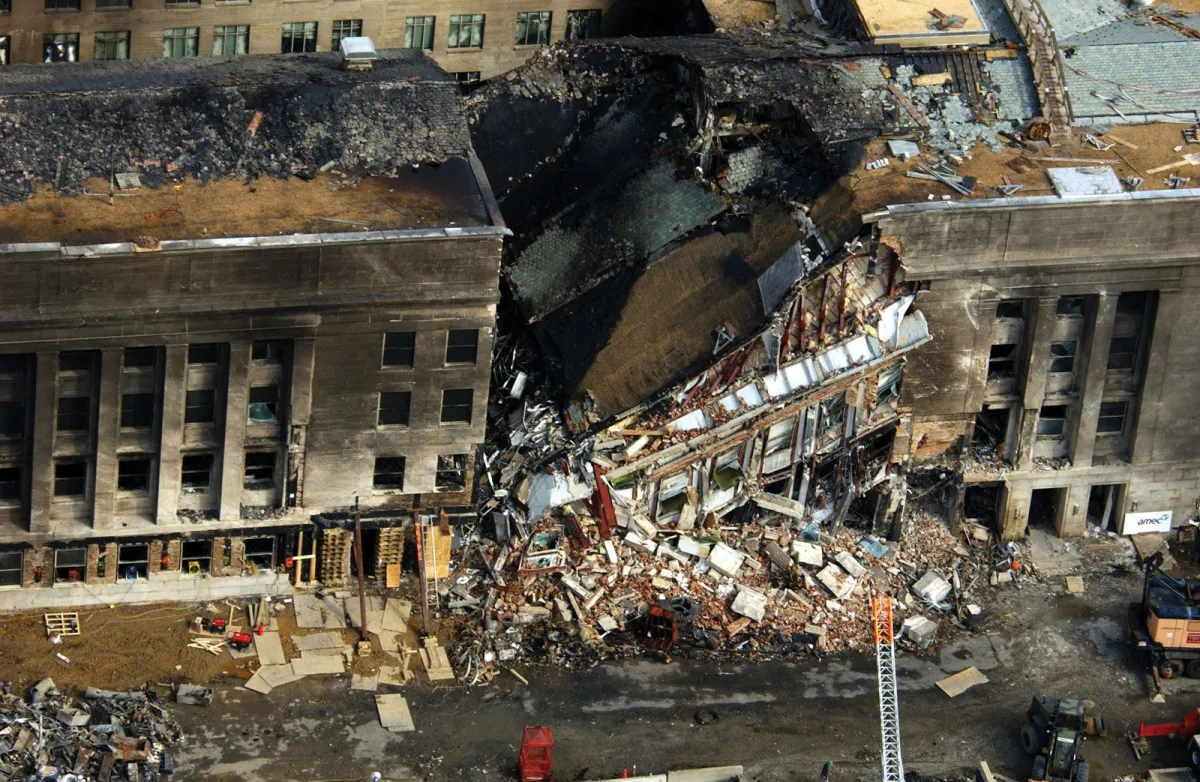 Photo: September 11 attacks, via cdn.britannica.com
The "two hours early" guidance emerged as a conservative estimate designed to account for worst-case scenarios: long security lines, additional screening, and the general chaos of a transportation system in transition. It was meant to be temporary advice for an extraordinary period, not permanent travel doctrine.
When Caution Became Ritual
What started as emergency guidance during a crisis gradually transformed into standard operating procedure. Travel websites codified the two-hour recommendation. Airport signage reinforced it. Airlines began building it into their operational assumptions, knowing that passengers would arrive with time to spare.
The recommendation persisted even as security procedures stabilized and became more efficient. TSA PreCheck and Clear programs significantly reduced wait times for many travelers, but the two-hour rule remained unchanged. What had been reasonable caution in 2002 became reflexive habit by 2010.
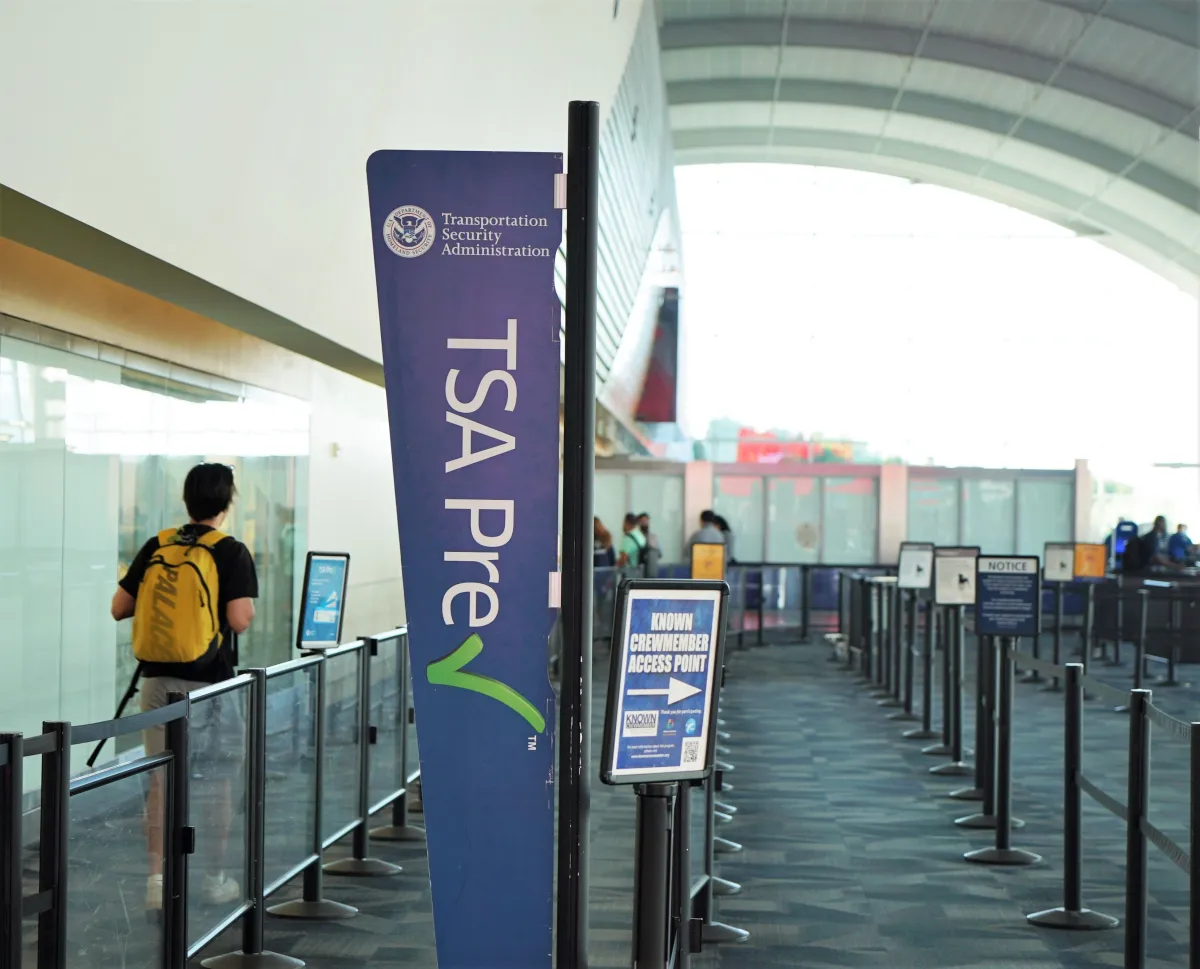 Photo: TSA PreCheck, via static1.simpleflyingimages.com
Psychologically, the rule serves an important function: it transfers anxiety from travelers to time. Instead of worrying about missing a flight, passengers worry about arriving early enough. This mental shift feels like control, even when it results in hours of unnecessary waiting.
The Real Numbers Behind Security Wait Times
TSA publishes wait time data for major airports, and the numbers rarely support two-hour arrival buffers for domestic flights. During non-peak periods, security waits at most major airports average 10-20 minutes. Even during busy times, waits exceeding 45 minutes are relatively rare except during holiday travel periods or operational disruptions.
The 95th percentile wait time—meaning 95% of travelers experience shorter delays—rarely exceeds one hour at major airports. This suggests that arriving 90 minutes early covers almost all scenarios, while two hours provides a buffer that's usually unnecessary.
Of course, these averages don't account for individual circumstances. Travelers checking bags, those without expedited screening, or people flying during peak periods face longer delays. But for many domestic travelers, especially those with carry-on luggage only, two hours represents massive over-preparation.
The Economic Cost of Excessive Buffers
Arriving two hours early for every domestic flight has created an enormous captive market for airport retailers. Passengers with 90 minutes to kill before boarding spend money on overpriced food, drinks, and retail purchases they wouldn't otherwise make.
Airport concession revenue has grown dramatically since the two-hour rule became standard practice. This isn't coincidental—airports recognized early that longer dwell times translate directly to higher per-passenger spending. The two-hour buffer effectively extends the airport retail experience by forcing travelers to arrive with time to spend.
For frequent travelers, the time cost is substantial. Someone taking 20 domestic flights annually and arriving two hours early spends 40 hours per year in airports beyond what's necessary for their actual departure times. That's a full work week of airport waiting.
Why Airlines Don't Discourage Early Arrivals
Airlines have little incentive to discourage excessive early arrivals because late passengers create operational problems. A traveler who arrives 30 minutes before departure and encounters unexpected delays might miss their flight, requiring rebooking and potentially compensation.
From an airline's perspective, passengers who arrive two hours early never miss flights due to timing. They might complain about waiting, but they don't create the operational headaches and customer service costs associated with missed connections and rebooking.
This creates a system where airlines implicitly encourage over-preparation because it reduces their operational risk, even though it imposes time costs on travelers.
Finding Your Personal Sweet Spot
The optimal airport arrival time depends on individual circumstances rather than universal rules. Frequent travelers with expedited screening, carry-on luggage only, and mobile check-in can often arrive 60-75 minutes before domestic departures without stress.
Travelers checking bags, those unfamiliar with specific airports, or people flying during peak periods benefit from additional buffer time. The key is matching arrival time to actual risk factors rather than following generic advice.
Many experienced travelers have abandoned the two-hour rule in favor of dynamic timing based on specific circumstances: airport familiarity, time of day, day of week, and current TSA wait time information available through apps and websites.
The Persistence of Unnecessary Caution
The two-hour rule persists because it feels safer than thinking critically about actual requirements. Following universal advice removes the need to assess individual circumstances or risk missing a flight due to poor timing judgment.
This psychological comfort comes with real costs: wasted time, unnecessary airport spending, and the perpetuation of a system that benefits airports and airlines more than travelers. Breaking free requires recognizing that the two-hour rule was never mandatory—just a conservative suggestion that became reflexive habit.
The next time you're sitting at your gate 90 minutes before departure, wondering why you arrived so early, remember that you're following advice born from extraordinary circumstances that no longer apply to routine travel. The rule that feels mandatory was never actually required—it just became too familiar to question.