That $40 Airport Adapter Is Fixing a Problem Your Phone Already Solved
The Panic Buy That Happens in Every Terminal
You're walking through the airport, gate bag slung over one shoulder, when you spot it — a spinning rack of travel accessories near the newsstand. Universal adapters. Voltage converters. The little plastic gadgets that promise to keep your phone alive in 150 countries. You grab one. It's $38. You feel responsible.
And there's a decent chance you just bought something you didn't need.
This isn't a knock on preparation. Thinking ahead before an international trip is genuinely smart. But the specific fear driving that purchase — the idea that plugging your American charger into a European outlet will somehow destroy your device — is based on a misunderstanding of how modern electronics actually work. One that the travel accessory industry has very little incentive to correct.
What Voltage Actually Means for Your Devices
Here's the part that most travelers skip: the label on your charger.
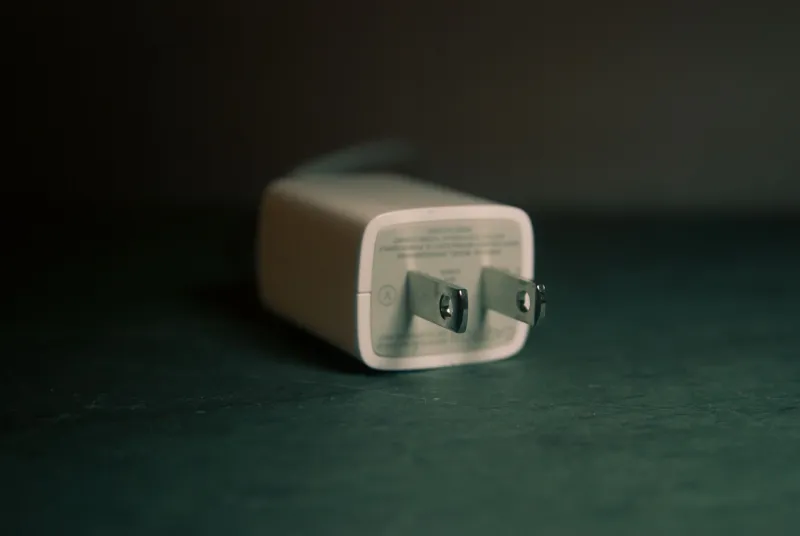
Flip over the brick that powers your laptop, phone, or camera. Somewhere on it, usually in small print, you'll find a line that reads something like INPUT: 100-240V ~ 50/60Hz. That range — 100 to 240 volts — covers virtually every electrical standard used anywhere on the planet. The US runs on 110-120 volts. Most of Europe, Asia, and South America operate between 220 and 240 volts. Your charger handles both. Automatically. Without any converter.
This is called dual-voltage design, and it's been standard in consumer electronics for a long time. Laptops, smartphones, tablets, e-readers, most cameras, electric toothbrushes from major brands, and the vast majority of USB charging bricks you already own are built this way. The engineering is baked in. You don't flip a switch. You don't adjust anything. You just plug in.
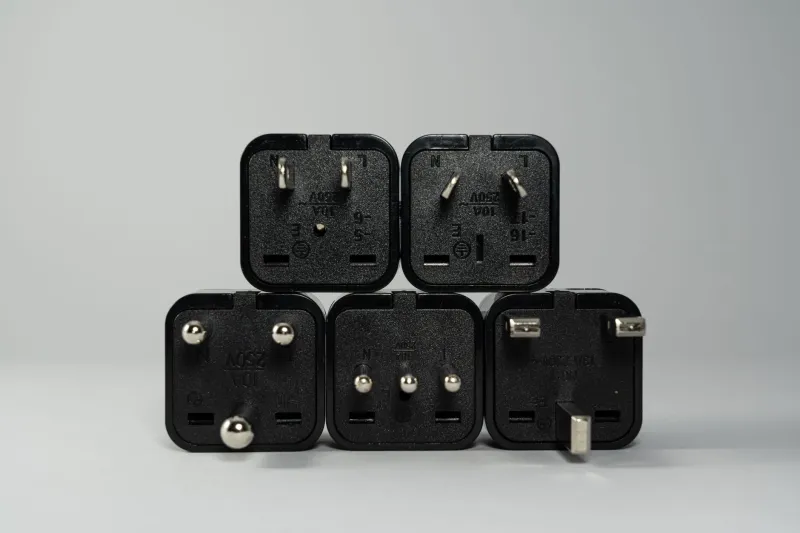
What you actually need when traveling abroad is a plug adapter — a small, inexpensive piece of plastic that changes the shape of the plug so it fits into a foreign socket. No electronics involved. No voltage conversion happening. It's essentially a physical translator between two different outlet designs. These cost anywhere from one to five dollars online, and a two-pack covers most major regions.
So Where Did the Fear Come From?
It's not completely unfounded — it's just outdated.
Decades ago, before electronics manufacturing standardized around global compatibility, voltage mismatches were a genuine problem. Travelers really did blow out hair dryers and fry cheap appliances by plugging them into the wrong outlets. Those stories got passed down, repeated at family dinners, and eventually calcified into travel wisdom that nobody thought to update.
Older single-voltage appliances still exist, too. Many American hair dryers, curling irons, and some kitchen gadgets only operate on 110-120 volts. Plug those into a 220-volt outlet without a converter and you will have a problem — usually a dramatic one involving smoke. So the warning isn't entirely wrong. It's just applied to the wrong category of devices by most people who repeat it.
The confusion between a plug adapter (shape) and a voltage converter (power) is where the myth lives. They sound similar. They solve different problems. And travel retailers have little reason to make that distinction clear when the converter costs ten times more than the adapter.
What the Accessory Industry Knows That You Don't
Walk into any travel store or browse the airport shops and you'll notice something: universal adapters are prominently displayed, often packaged with language like "works in 150+ countries" and "all-in-one solution." They're marketed as essential. They're priced like essential gear.
The margins on travel accessories are significant, and the pre-trip anxiety window — the moment between booking and departure — is when consumers are most receptive to spending on peace of mind. A $40 multi-country adapter feels like cheap insurance when you're about to drop $3,000 on flights and hotels.
None of this means the products are fraudulent. A quality universal adapter is a perfectly functional item. Some travelers genuinely benefit from having one tidy solution rather than three separate country-specific adapters. But the purchase is often driven by fear of a voltage problem that doesn't exist for the devices they're actually bringing.
Before You Pack: The Two-Minute Check That Saves You Money
The next time you're prepping for an international trip, do this instead of panic-buying at the terminal.
Check every device you're bringing. Look at the charger or power brick — not the device itself, but the adapter you plug into the wall. Find the input voltage range. If it says 100-240V, you're dual-voltage. You need a plug adapter for the destination country, not a converter.
Check your hair appliances separately. These are the most common single-voltage holdouts. Many US hair dryers only run on 110V. If yours doesn't say 100-240V, either leave it home, buy a travel version, or pick up an actual voltage converter (not just an adapter).
Buy your plug adapters before you get to the airport. A set of international plug adapters on Amazon runs about $8-12 and covers Europe, the UK, Asia, and Australia. The same product in an airport gift shop runs $30-45.
The Takeaway
The voltage anxiety that sends travelers to airport accessory racks is mostly a fear built on outdated information and kept alive by an industry that profits from the confusion. Your phone charger, laptop brick, and most modern electronics already speak every electrical language on the planet. They've been doing it quietly for years.
What you actually need is a cheap plug adapter — and probably already have one from a previous trip rattling around in a drawer somewhere. The $40 universal converter can stay on the rack.