You Don't Have Jet Lag — You Have Airplane Hangover
The Jet Lag Catch-All
Every year, millions of travelers stumble off long flights feeling terrible and immediately blame jet lag. The term has become shorthand for any post-travel misery: exhaustion, headaches, difficulty concentrating, digestive issues, and general malaise. But sleep researchers and aviation medicine specialists have a different explanation for much of what we experience.
True jet lag is a specific circadian rhythm disorder that occurs when you rapidly cross multiple time zones. But many of the symptoms travelers attribute to jet lag actually stem from the physical stress of air travel itself — a collection of effects that some researchers informally call "airplane hangover."
What Jet Lag Actually Is
Jet lag happens when your internal body clock becomes misaligned with the local time at your destination. Your circadian rhythms — the biological processes that regulate sleep, hormone production, and metabolism — are synchronized to your home time zone and need time to adjust.
This adjustment process follows predictable patterns. Eastward travel is typically harder because you're asking your body to advance its clock, while westward travel extends your day. The severity correlates directly with the number of time zones crossed and your individual chronotype (whether you're naturally a morning person or night owl).
"Real jet lag has very specific characteristics," explains Dr. Chris Winter, a sleep medicine specialist and author of "The Sleep Solution." "It's primarily about sleep timing and alertness patterns that don't match your new environment."
 Photo: Dr. Chris Winter, via www.wchriswinter.com
The Airplane Environment Assault
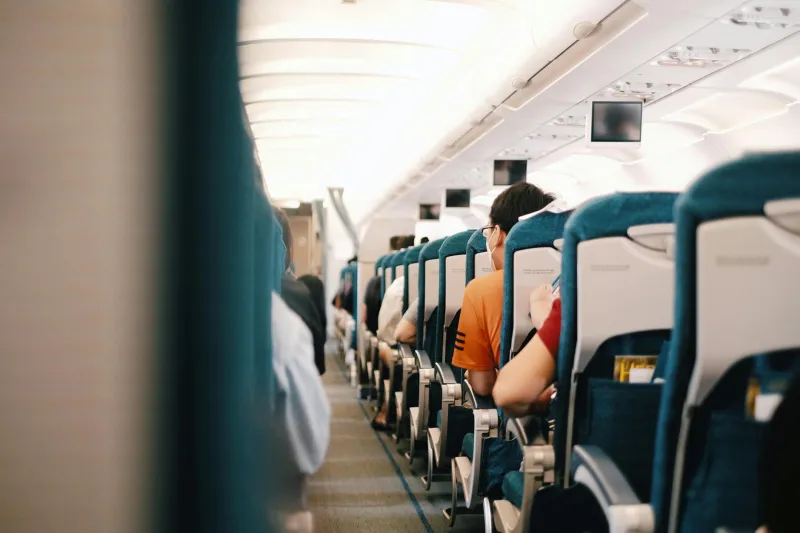
Meanwhile, the airplane cabin itself creates a perfect storm of physiological stress that produces remarkably similar symptoms. Commercial aircraft maintain cabin pressure equivalent to being at 6,000-8,000 feet above sea level, which reduces oxygen availability and can cause fatigue, headaches, and difficulty concentrating.
The extremely low humidity — often below 20%, compared to the 40-60% considered comfortable — leads to rapid dehydration. This affects everything from cognitive function to mood regulation, creating symptoms that feel identical to circadian disruption.
Recycled cabin air, despite being filtered, exposes passengers to higher concentrations of carbon dioxide and potential pathogens. The constant low-level noise, cramped seating, and disrupted sleep during the flight compound these effects.
The Dehydration Factor
Airplane dehydration goes far beyond feeling thirsty. The combination of low humidity and pressurized cabin causes moisture to evaporate rapidly from your respiratory system and skin. Most passengers also deliberately limit fluid intake to avoid frequent bathroom trips, especially on long flights.
This dehydration affects brain function in ways that mimic jet lag symptoms. Studies show that even mild dehydration can impair concentration, memory, and mood while increasing fatigue and headache frequency.
"People often feel terrible after a six-hour flight to the West Coast, but they haven't crossed enough time zones for significant jet lag," notes Dr. Winter. "What they're experiencing is mostly the physical stress of air travel."
The Sleep Deprivation Component
Most travelers get poor quality sleep during flights, if any at all. Airplane seats, noise, light exposure, and irregular meal timing all disrupt normal sleep patterns. This sleep debt accumulates regardless of time zone changes and creates fatigue that persists for days.
Red-eye flights are particularly problematic because they force travelers to attempt sleep during their natural wake period, then arrive at destinations when they're supposed to be alert. The resulting exhaustion has more to do with sleep deprivation than circadian misalignment.
Why the Confusion Matters
Treating airplane hangover symptoms as if they're jet lag leads to ineffective recovery strategies. Light therapy, melatonin timing, and meal scheduling — the standard jet lag treatments — don't address dehydration, sleep debt, or the lingering effects of cabin pressure changes.
Many travelers also underestimate their recovery time because they're addressing the wrong problem. Jet lag typically resolves within a few days as circadian rhythms adjust, but the physical stress of air travel can take longer to recover from, especially for older adults or those with underlying health conditions.
The Domestic Flight Paradox
This distinction becomes obvious on domestic flights that cross minimal time zones but still leave passengers feeling awful. A flight from New York to Denver crosses only two time zones — not enough for significant jet lag — but the four-hour flight in a pressurized cabin can still produce substantial fatigue and disorientation.
 Photo: New York, via i.ebayimg.com
Similarly, travelers on north-south routes that don't cross time zones at all often experience the same post-flight malaise that gets attributed to jet lag.
Recovery Strategies That Actually Work
For airplane hangover, the solution is simpler than complex jet lag protocols: aggressive rehydration, quality sleep, and time for your body to recover from the physical stress. This means drinking plenty of water (not alcohol or excessive caffeine), eating regular meals, and prioritizing sleep quality over timing.
For actual jet lag, the focus should be on light exposure, meal timing, and gradually shifting sleep schedules to match the new time zone.
The Frequent Flyer Reality
Business travelers who fly regularly often develop tolerance to cabin conditions but remain susceptible to genuine jet lag from time zone changes. They've learned to manage the physical stress of air travel but still struggle with circadian disruption on international routes.
This experience highlights the distinction: the airplane environment effects are manageable with preparation and practice, while jet lag remains a biological process that takes time regardless of travel experience.
Planning for Both Problems
Smart travelers prepare for both issues separately. For airplane hangover: hydrate before and during flights, minimize alcohol, wear comfortable clothing, and plan recovery time upon arrival. For jet lag: research light exposure timing, consider melatonin supplementation, and gradually adjust sleep schedules before departure when possible.
Understanding the difference between these two distinct problems means you can address each appropriately instead of wondering why your jet lag remedies aren't working on a coast-to-coast flight.